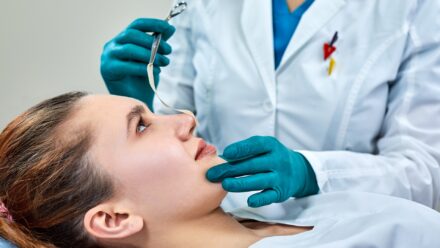


A forehead reduction surgery is a cosmetic procedure to lower the hairline and make the forehead match the patient’s facial proportions. While this surgery has immense benefits for those whose foreheads are too high and cause an imbalance in their facial features, the main concern for most is the resulting scar. Since the incision for this surgery is quite long, many fear that this would leave a very visible scar behind. If you are also concerned about the forehead reduction surgery scar, stay tuned until the end of this blog, as we discuss all your concerns and also share tips for aftercare to ensure your scar is undetectable.
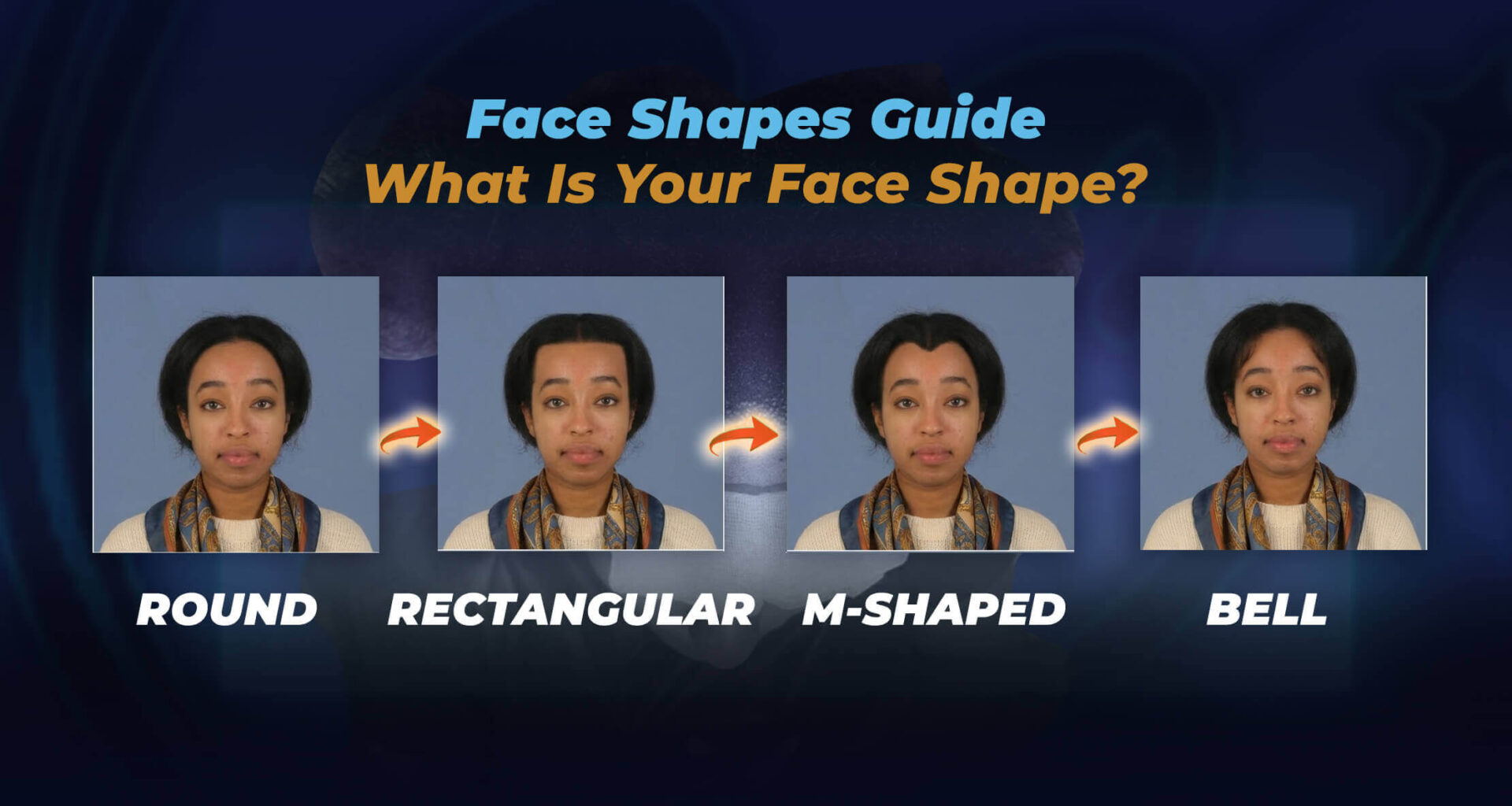
💉 How Visible is the Forehead Reduction Scar?
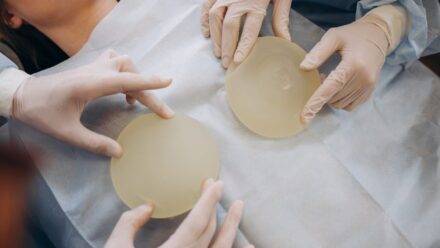
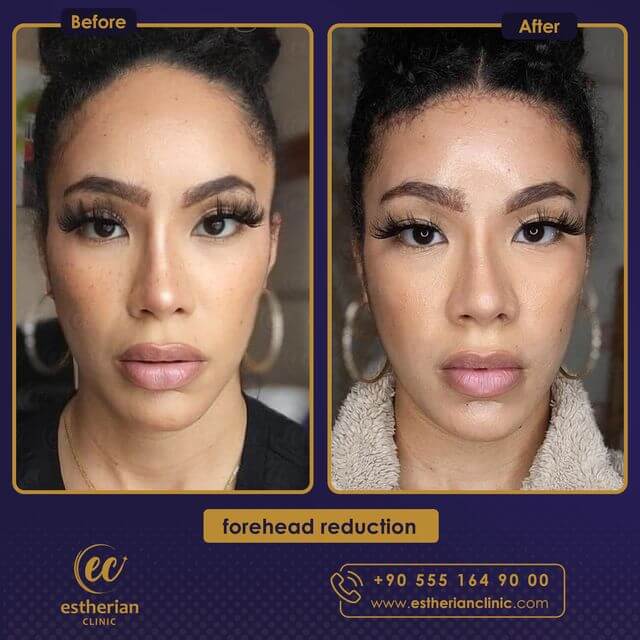
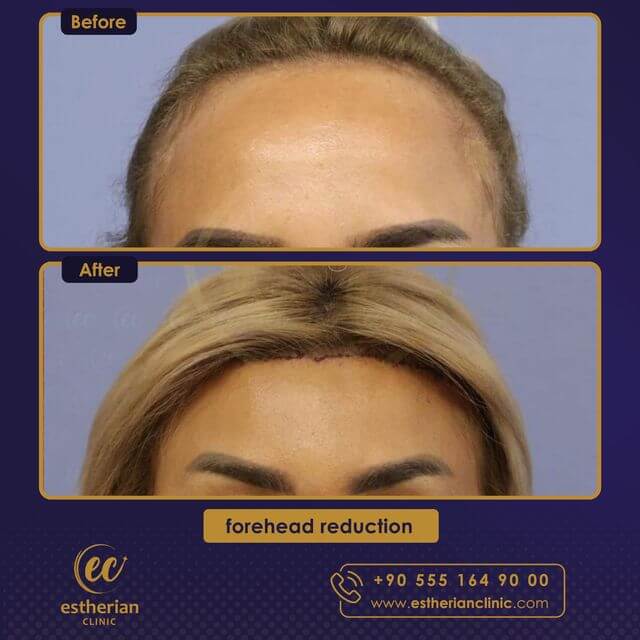
The incision for the forehead reduction surgery is made on the forehead extremely close to the hairline. This incision is then used to eliminate excess skin in the forehead and bring the hairline lower than before. As a result, the forehead becomes smaller. However, despite the dramatic reduction in the height of the forehead, the scar from this surgery ends up being very undetectable.
Because the surgeon makes the incision very close to the hairline, they perform a trichophytic closure where the trichophytic incision is covered by the hairline and hair grows around and over the sutures to better conceal them. In this way, the resulting scar becomes completely seamless.
✨ A Week-by-Week Breakdown of the Recovery Journey of the Hairline-Lowering Surgery Scar
Before we break down the recovery phase of the hairline-lowering surgery, we also have an extensive blog on what this surgery is and who it’s for, so that you can check it out to know more about the forehead reduction procedure.
During the post-surgery phase, you should expect swelling, tightness, and general discomfort. The scar-healing phase will take time, but the results are worth it.
First Week
During the first week after the surgery, there will be significant bruising and tightness, as well as the feeling of numbness in the forehead. During this time, the patient is advised to take plenty of rest and focus on their healing. Attending the follow-up appointment during this time is crucial so the doctor can track the progress of the healing.
Second and Third Week
By this point, the sutures will be removed, and the bruising and swelling will further subside. The discomfort also becomes a lot more manageable; however, the patient should still take it slow, and only light walks are recommended. Your doctor will recommend a gentle shampoo to clean your hair during this time. Furthermore, you should avoid all strenuous activities.
The Fourth to Sixth Weeks
At this stage, you can expect most of the swelling and discomfort to be gone. You can return to your daily routine and engage in more physical activities. Moreover, you should make sure you stick to your post-surgery scar treatment guidelines provided by your doctor to ensure your incision heals smoothly.
Long-term Recovery
The full recovery can take up to 12 months, where the incision will fully heal, and the hair around the incision will grow out to conceal it. The scar will also gradually fade, with the full results becoming more visible.
⚕️ Here’s How You Can Manage and Care for Your Scar During Your Forehead Reduction Surgery Recovery
Taking proper care of your incision is crucial, as this can aid in the smooth healing of the incision and prevent any complications or infections.
- You can use silicone gel to help with scar healing.
- Keep the incision site clean and moisturized. Your doctor will guide you on how you can do this.
- Do not smoke to help your incision heal easily.
- Keep your body hydrated by drinking plenty of water and following a healthy diet to provide your body with good nutrition.
- You should also keep your incision protected from the direct sun and use SPF when you go out. This will help prevent any hyperpigmentation.
- To add to this, your doctor will recommend some topical creams to help with better healing of the incision.
✂️ What Actually Affects the Scar?
Scarring isn’t the same for everyone. The extent of scarring and how visible it can be depends on a few factors. Firstly, the surgical technique and how experienced the surgeon is definitely help. A highly skilled surgeon uses a lot of precision to ensure the scar is as hidden as possible. Furthermore, experienced surgeons guarantee the most seamless results.
Skin type also has a role to play in how visible the scarring will be. Patients with a darker skin tone may develop hyperpigmentation during the healing process. In addition, certain skin types are more likely to develop keloids.
⚕️Book Your Consultation with the Estherian Clinic
The surgeons at the Estherian Clinic have extensive experience spanning many years of performing forehead reduction as well as other facial surgeries and aesthetic procedures to help patients achieve balanced and aesthetically pleasing results. Book your one-on-one consultation with the leading surgeons in Turkiye today!