

Skin rejuvenation treatments are all the craze these days since they address multiple skin concerns and have a short recovery time. Laser skin resurfacing is one such treatment that focuses on eliminating the appearance of wrinkles and fine lines and aids in getting rid of sun damage. Moreover, it helps reduce the appearance of acne scars and leaves the skin looking even and bright. Stick around until the end to know what happens before and after the laser skin resurfacing treatment.
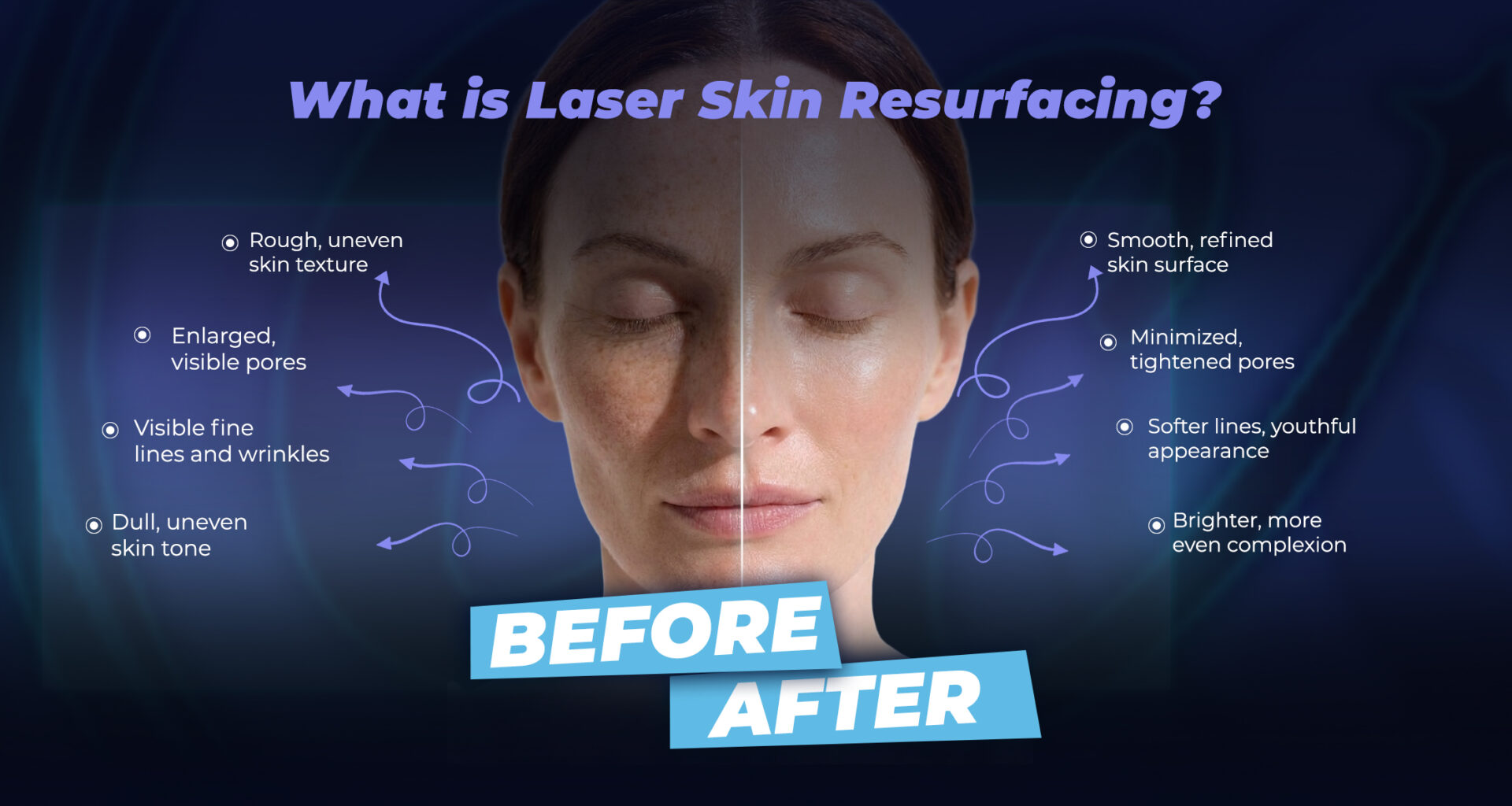
✨ Laser Skin Resurfacing Before and After: What Is It?
Laser skin resurfacing is a skin rejuvenation treatment that uses light energy to target the outer layer of the skin. It targets the epidermis and also heats the deeper layers of the skin. In this way, it boosts collagen production to enhance the quality of the skin and make it firmer and clearer. Furthermore, it is also a great acne scar treatment as it triggers the skin’s healing and aids in cell turnover to make the skin look more youthful.
There are three types of lasers. They include:
Ablative Laser
In this method, targeted energy is used to eliminate the top layer of the skin. It also penetrates deep into the skin to heat it up and trigger collagen production. This helps with enhancing skin quality and texture. Once the skin fully heals from the laser, the result is skin that is much tighter than before. There are two options of ablative lasers that include the CO2 laser and the erbium laser. Also, the recovery time for these lasers is anywhere between a week and 2 weeks.
Non-ablative Laser
The non-ablative laser is not as intense; therefore, its recovery time is also much shorter. This type of laser also triggers the production of collagen by heating up the underlying layers of the skin, without targeting the skin’s surface. The boost in collagen production is what helps with reducing wrinkles and light scars. Intense pulsed light (IPL) is considered a type of non-ablative laser.
Fractional Laser
This type of laser skin resurfacing treatment focuses on each fraction of the skin to create targeted injuries that enhance collagen production. The micro-injuries made with this laser also enhance the production of elastin, which helps with wrinkle reduction and plumping the skin.
🔬 The “Before” – Exploring the Preparation
The Consultation
A comprehensive consultation is crucial before the laser skin resurfacing treatment. Your healthcare provider will take your complete medical history to find out if you have any medical conditions. You will also be asked about any medication you might be taking. Furthermore, your healthcare provider will analyze your skin, discuss your goals for this treatment, and also inform you about the risks of this procedure.
The Pre-Treatment Protocol
You should stop exfoliating a couple of days or a week before your laser resurfacing treatment. If you are a smoker, you should stop smoking a few weeks before the procedure. This is because smoking can hinder healing in the body. Furthermore, you should also avoid consuming alcohol as it can increase inflammation in the body. Try not to incorporate any new skincare products into your routine as well. Also, avoid excessive sun exposure in the weeks leading up to the treatment, as it can damage the skin and also increase the side effects of the laser. Finally, steer clear of any sauna or heat rooms to make sure your skin does not get irritated before the treatment.
Procedure Day
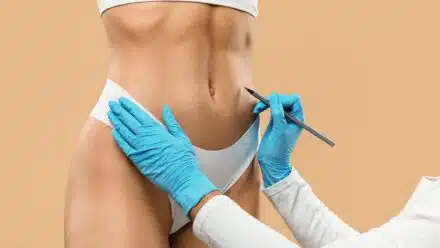
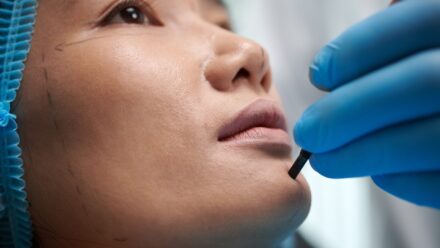
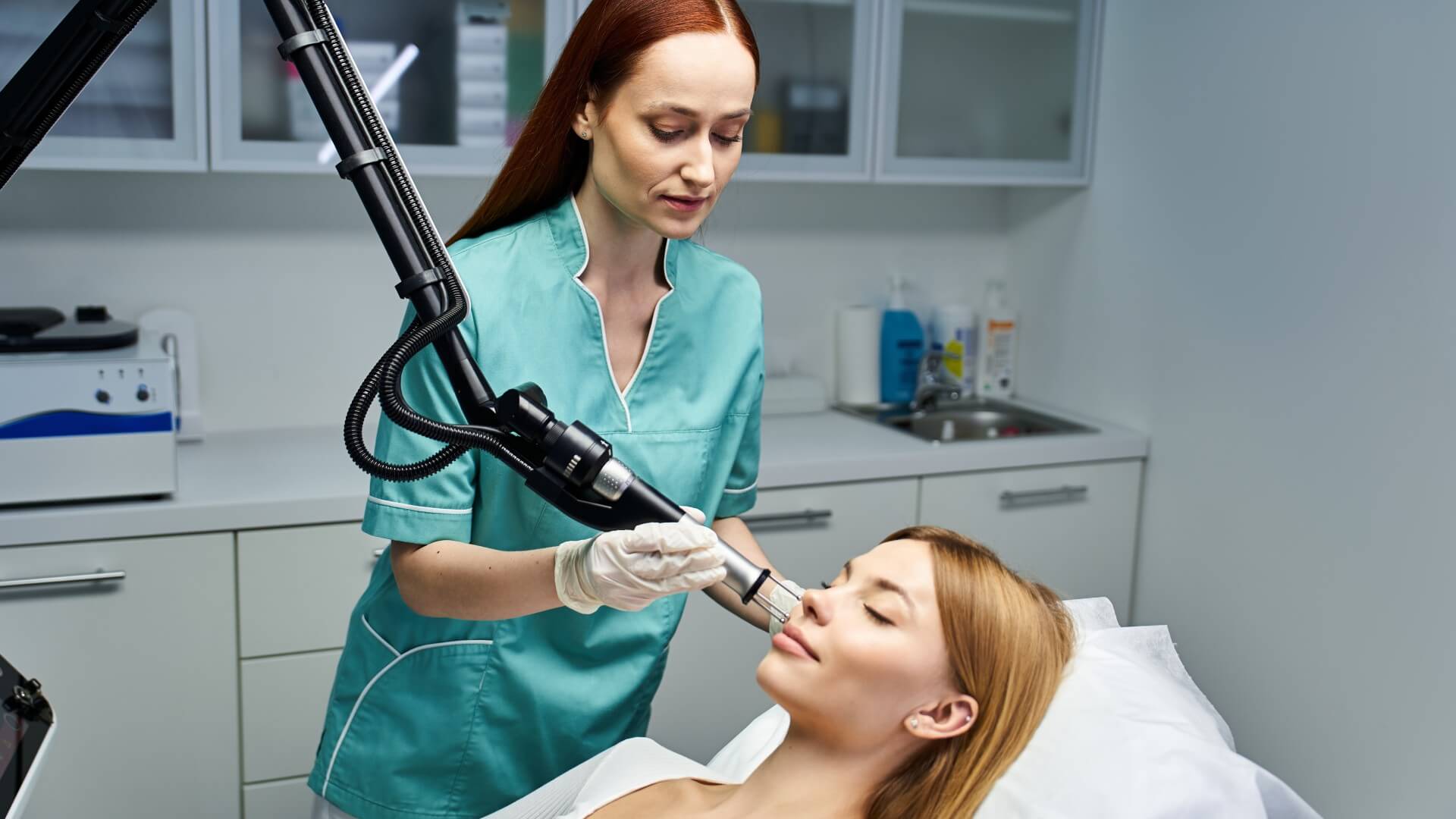
The laser skin resurfacing procedure is an outpatient treatment. Your doctor will numb your skin to minimize discomfort during the procedure. Furthermore, the areas targeted are cleaned thoroughly. This is to make sure there are no oils or makeup on the skin. Your doctor might have you wear protective eyewear to keep your eyes safe during the procedure. Additionally, the doctor will also customize the treatment to the patient’s needs and will create markings to boost the success of the procedure.
During the procedure, you might feel some heat or prickling but not any pain. After the procedure, ice packs are used to help with swelling. The doctor might apply some dressing, such as hydrogel sheets, to help soothe and hydrate the skin.
👩⚕️ The “After” – Healing and Revealing Your New Skin
There is some swelling and redness right after the procedure. The swelling, however, will be the most intense in the initial 24 hours, after which it will begin to subside. You should take the first 3 days to rest and let your body heal. By day 4 or 5, the top layer of the skin will begin to peel and expose the youthful skin hidden underneath. It is crucial that you do not pick at your skin and let it shed and peel naturally. Picking at the skin can lead to scarring and slow healing. This part of the recovery will likely last until day 7.
By the second week, the new skin emerges, which has a light pink color. This is the ideal time to return to your routine.
Between months 1 and 3, the results will gradually reveal as the skin’s texture improves. Furthermore, by month 6, you can see the full results of the laser resurfacing treatment as the wrinkles and lines in the skin have reduced and the skin’s tone has improved.
During the recovery period, avoid any kind of harsh products. Avoid the direct sun and protect your delicate skin with sunscreen. Keep your body hydrated and stick to a healthy diet.
Got any questions? Talk to our experts today!