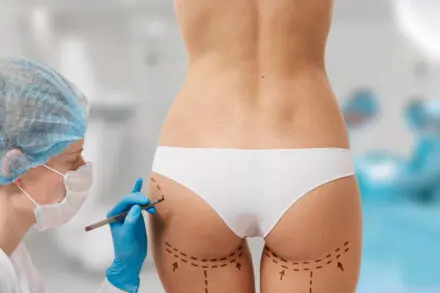


Ears are among the most underrated facial features in terms of aesthetics. Even minor irregularities of the ears can significantly impact how one looks. In this regard, Otoplasty or ear surgery is an effective cosmetic surgical procedure that aims for subtle improvements in ear shape, size, and contours to restore confidence and achieve a more balanced facial appearance.
Free Quality Consult with the Doctor!
Don’t hesitate to ask your question!
👂 What is Otoplasty Surgery?
An Otoplasty is a cosmetic/reconstructive surgical procedure to alter the shape, size, and contours of the ears (outer part) to improve aesthetics and achieve balance/symmetry. Moreover, an Otoplasty procedure is only concerned with the outer part of the ear, namely the Pinna/Auricle, Helix/Antihelix, Concha, and the Earlobe. It does not involve the inner ear or change the anatomical position of the ears on the head.
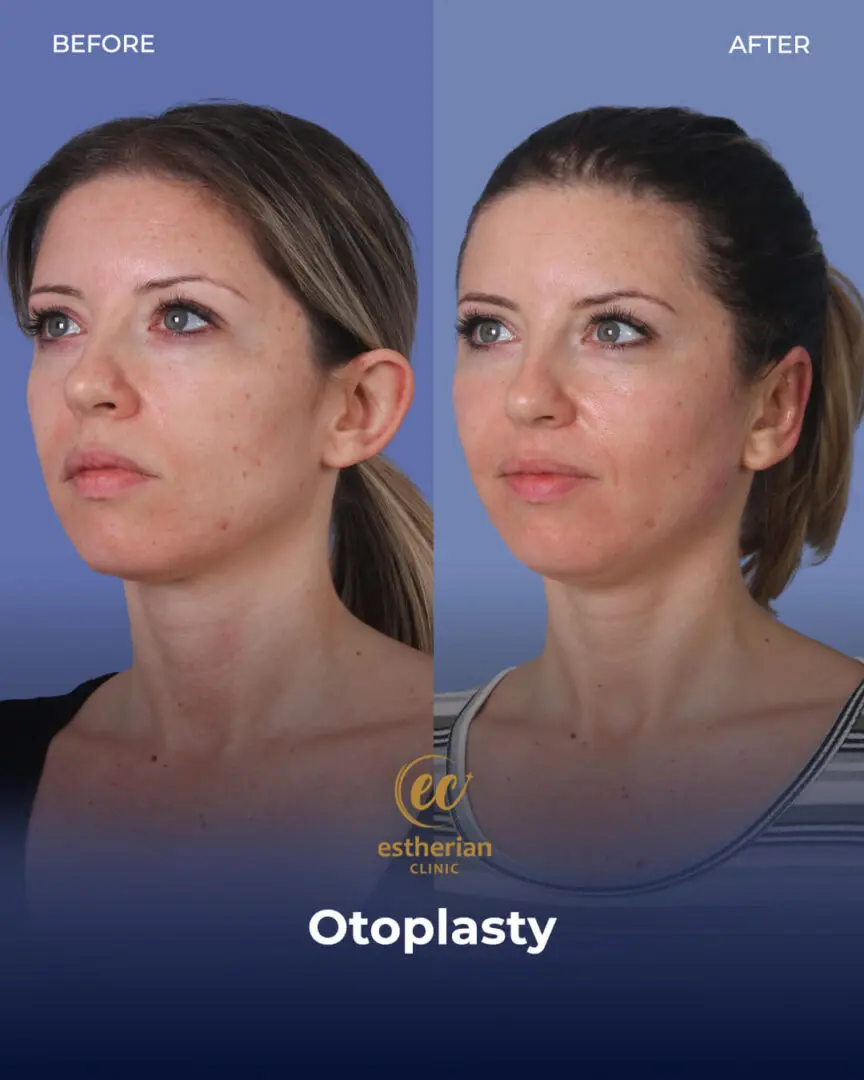
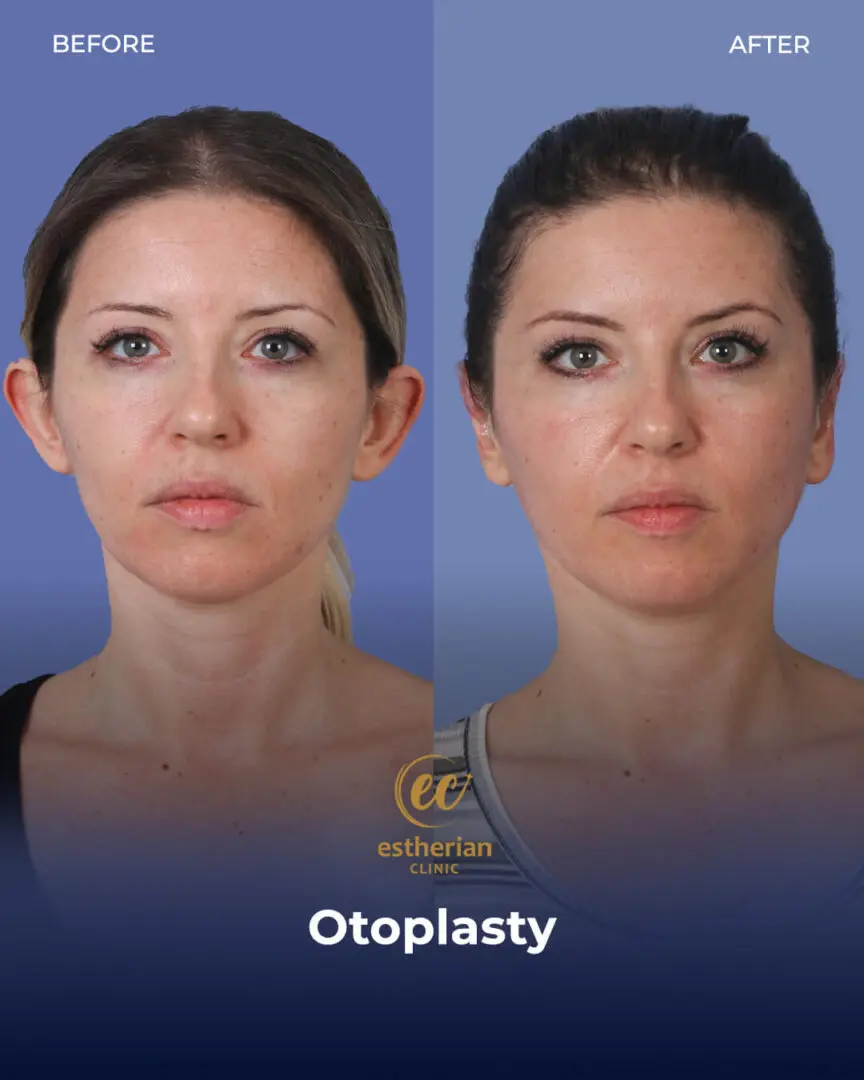
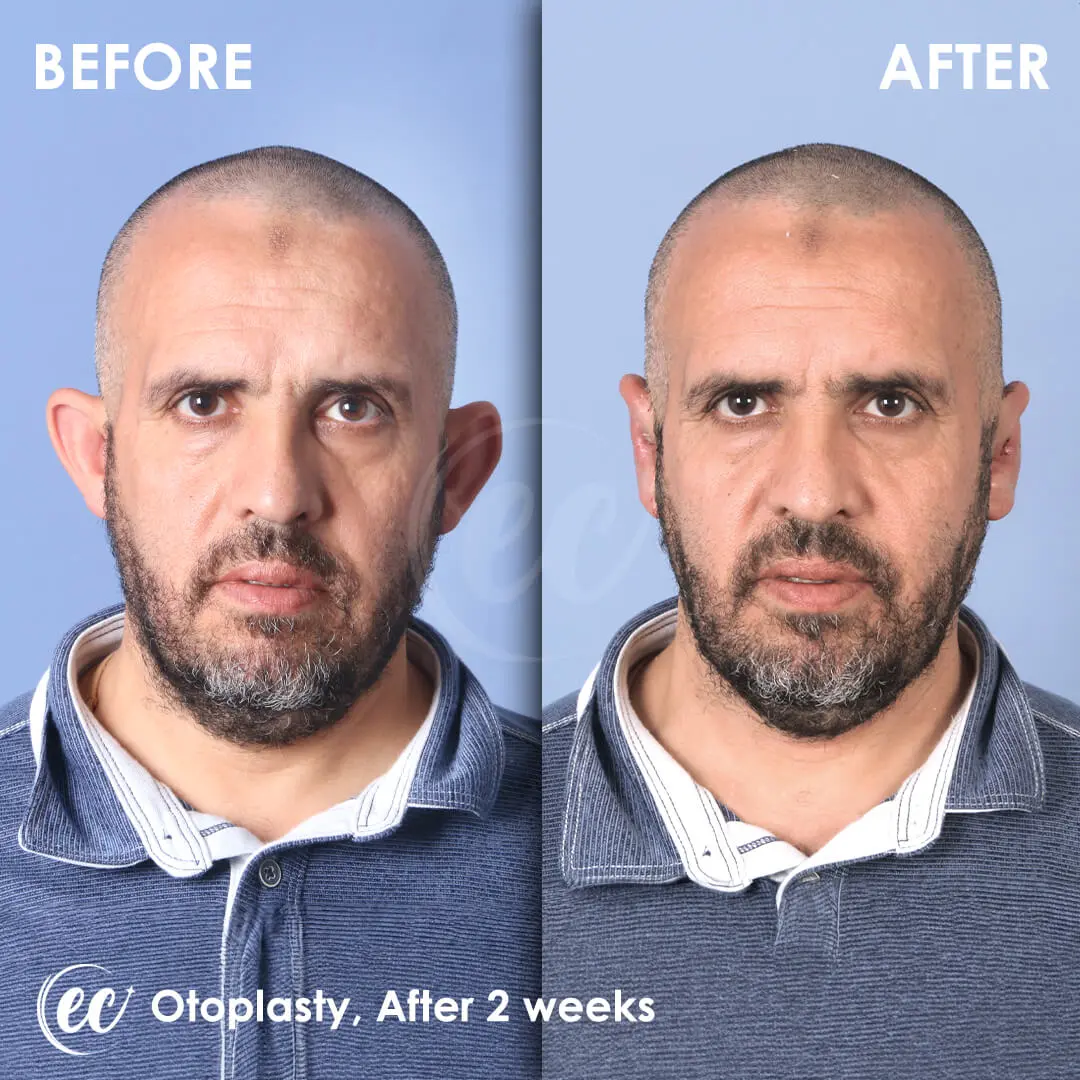
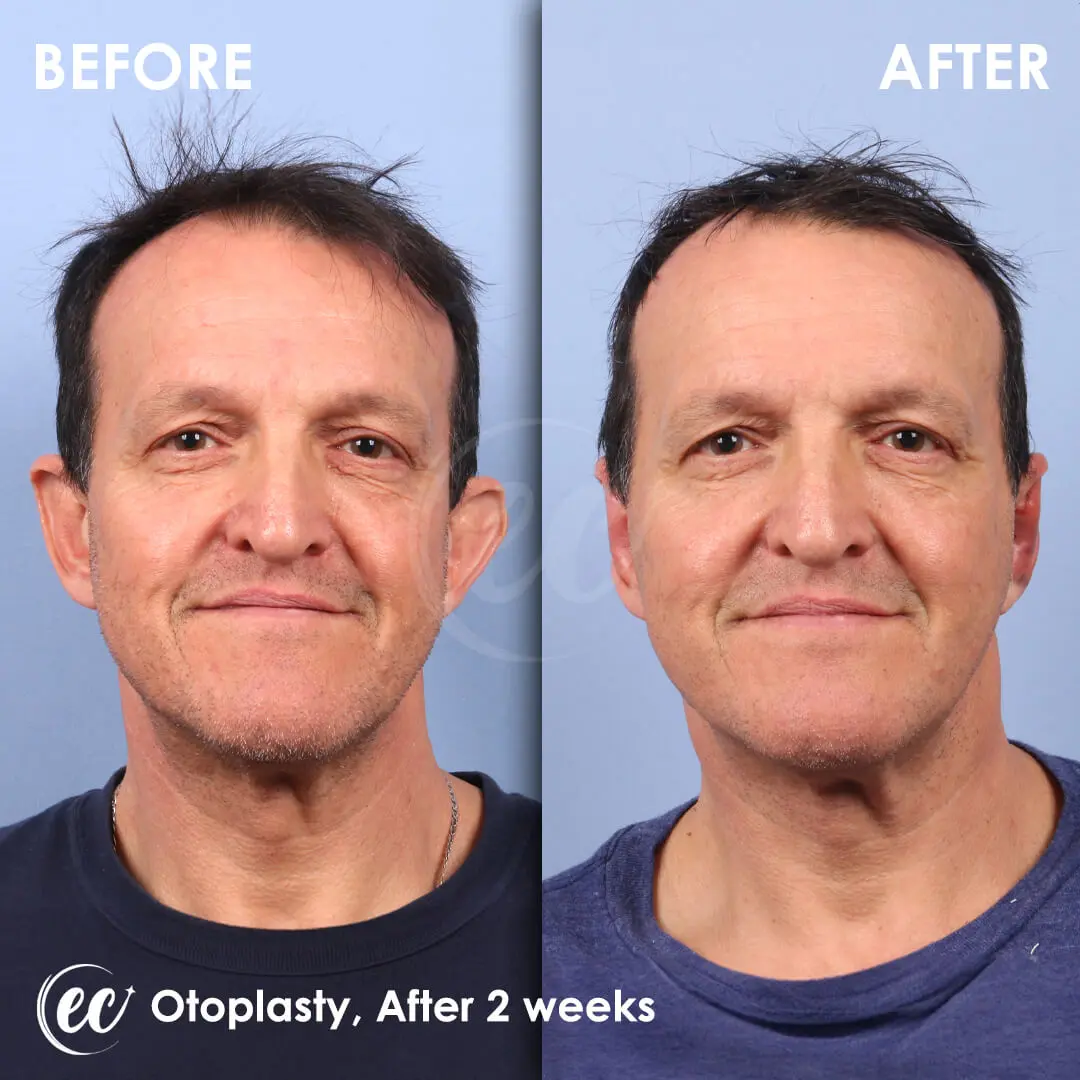
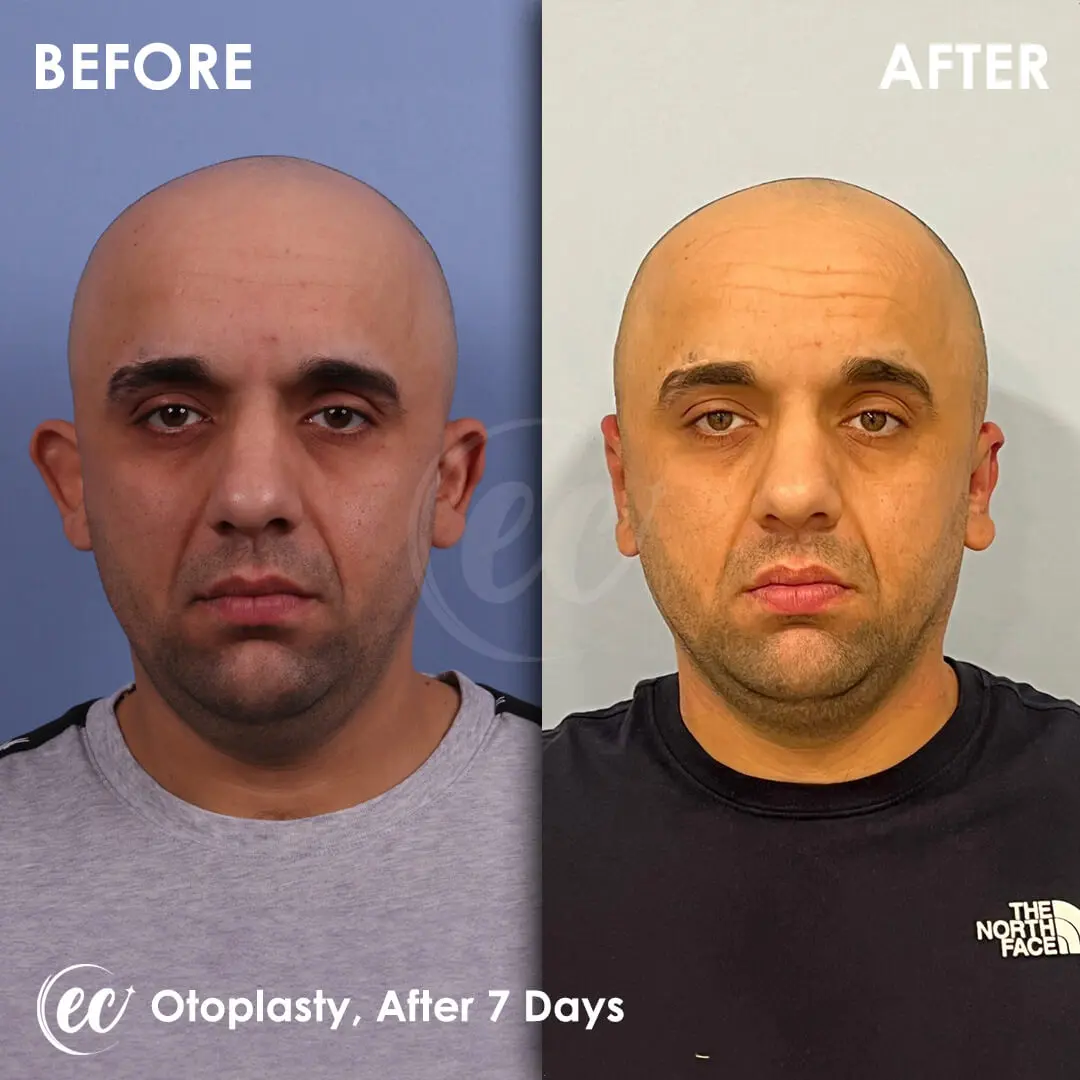
After reviewing otoplasty surgery before-and-after photographs, it becomes clear that the procedure can successfully reduce the projection of protruding ears, restore symmetry, improve the appearance of ear folds, correct congenital abnormalities, reconstruct damage from traumatic injury, and enhance facial proportions and aesthetics.
Otoplasty before and after results are strictly concerned with structural changes and do not have an impact on the function of the ears or the sense of hearing.
✂️ Exploring the Different Techniques of Otoplasty Surgery?
An otoplasty can be performed using various techniques and strategies, depending on factors. These include the overall thickness of the ear cartilage, patient age, and the overall scope of the correction required. Some common otoplasty surgical techniques are as follows:
Mustardé Technique of Otoplasty
This is one of the most common types of otoplasty techniques and is usually preferred due to its ability to spare the ear cartilage. During the procedure, a permanent suture is used to either form or enhance the antihelical fold.
The Mustardé technique of otoplasty produces very natural-looking results, spares the ear cartilage, and is suitable for patients with soft cartilage (children).
Furnas Technique of Otoplasty
The ear has a deep cavity right next to the opening of the ear canal, the conchal bowl or concha. Additionally, the increased depth of this conchal bowl causes excessive projection of the ears in some people.
The Furnas technique places a suture between the conchal cartilage and the Mastoid bone of the skull to pull the ear back to decrease this excessive projection. Furthermore, it can also be combined with the Mustardé technique (to enhance the antihelical folds) to ensure balance/symmetry.
Cartilage-Scoring Otoplasty Techniques
For thicker cartilage, particularly in adult patients, cartilage-scoring otoplasty techniques are employed. In such techniques, the otoplasty is done by performing actions such as scoring or thinning to weaken the thick structural ear cartilage.
Compared to the Mustardé and Furnas techniques, cartilage-scoring procedures do carry a risk for inadvertent damage to the ear cartilage.
Incisionless Otoplasty
As the name suggests, this technique of otoplasty employs small sutures through the skin to reshape the ear cartilage, rather than using a conventional surgical incision.
Due to its minimally invasive nature, this type of otoplasty technique produces fewer complications, no postsurgical scarring, and has a shorter recovery period.
Hybrid Otoplasty
Hybrid otoplasty procedures combine various techniques to achieve better and more durable results. Compared to standalone surgeries, hybrid otoplasties have long-lasting results and a lower chance of recurrence.
Examples include cartilage-scoring and suture technique combination, etc.
Newer Techniques
Relatively newer otoplasty techniques include Laser-assisted Otoplasty, EarFold (metal-clip or implant-based) Otoplasty, and pediatric non-surgical splinting techniques.
The aim is to achieve durable, subtle, and quicker results without deep manipulation of the ear anatomy.
Not sure which otoplasty technique is right for you? > Whether you’re considering an incisionless approach or standard reshaping, our medical consultants are ready to help. Chat directly with us on WhatsApp, share your goals, and get instant, personalized feedback!
📸 Celebrity Otoplasty Surgery: Before and After
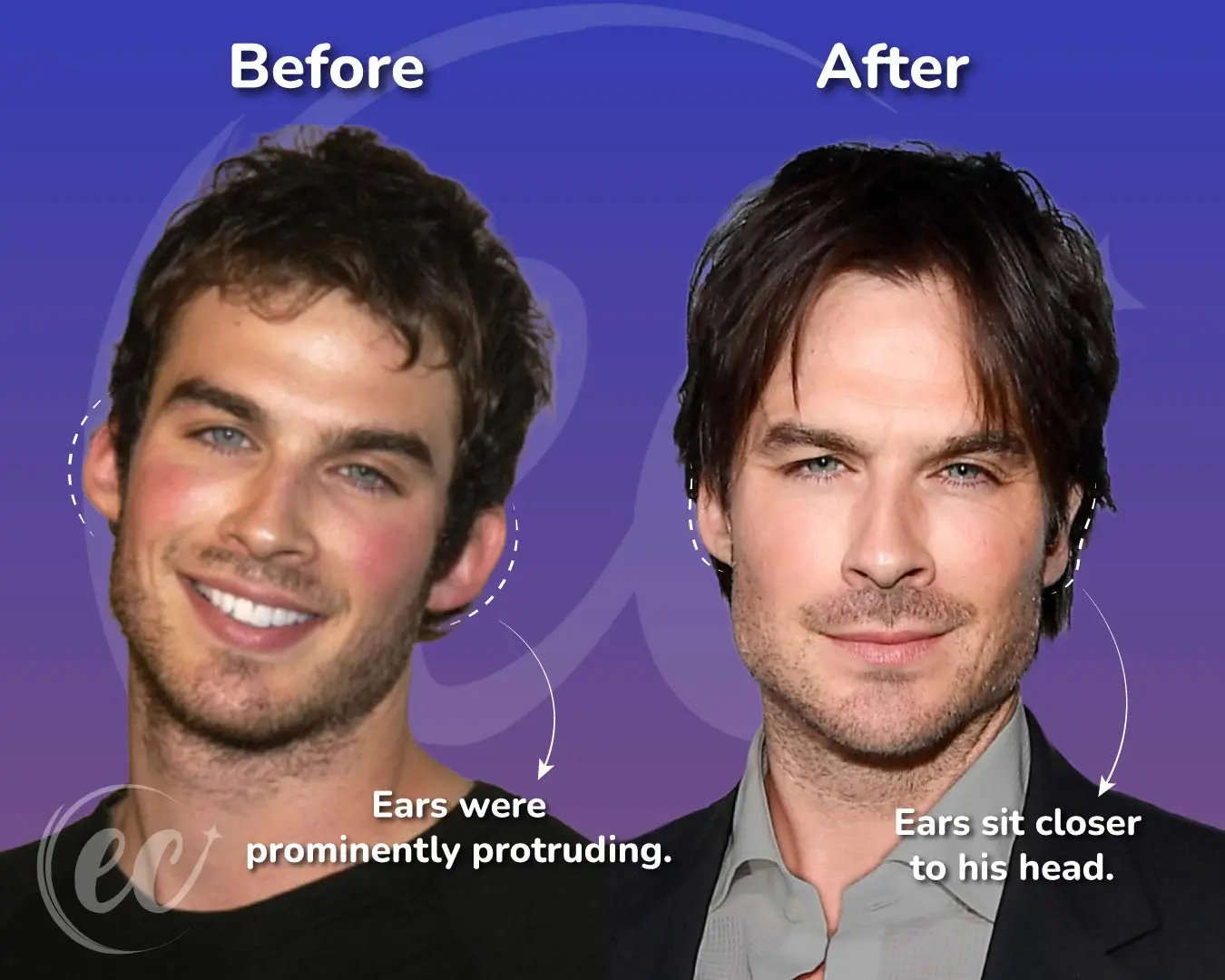
Celebrity otoplasty before and after changes are topics of frequent discussion in the media over the years. Some of these transformations have been confirmed. While others are mere speculation on the part of the audience based on evolving changes in the shape and aesthetics of the outer ear.
Some prominent names that are often cited in terms of successful otoplasty surgeries include Ian Somerhalder, Jennifer Aniston, Brad Pitt, Kate Hudson, Rihanna, and even Beyoncé.
🚫 Does this Ear Surgery Have Any Risks?
Whether conventional or minimally invasive, an otoplasty is a surgical procedure and, like any surgery, may have potential risks and complications, such as:
- Postsurgical infection
- Pain, redness, swelling
- Abnormal collection of blood at the surgical site (Hematoma formation)
- Postsurgical Scarring (particularly in incision-based techniques)
- Asymmetrical outcomes
- Patient dissatisfaction
- Undercorrection or overcorrection
- Recurrence
- Damage to the ear cartilage
- Nerve-related changes (paresthesia/numbness)
Having said that, an otoplasty is a relatively safe surgery with a low potential for complications. The best way to ensure a safe and successful surgery is to choose a trained and certified surgeon, well-equipped surgical facilities, avoid harmful habits (smoking, drug abuse, alcoholism), maintain a good health status, and an active lifestyle.
Want to know what results you can expect? Send us a message on WhatsApp to securely share a photo of your ears and receive a personalized treatment overview.
⭐ Who Should Get this Surgery?
People who may benefit from an otoplasty procedure include:
- Children with abnormal ear projection or congenital ear abnormalities
- Adults looking for cosmetic changes to the ears
- To restore the balance and symmetry of the face
- For post-traumatic ear reconstruction after injuries/accidents
- Individuals looking to decrease the size of very large ears
In conclusion, an otoplasty is an effective cosmetic surgical procedure to improve the appearance of the ears; however, issues such as active infections, harmful habits like smoking, and poorly controlled secondary health issues (Diabetes, Hypertension) may negatively impact its outcome.
Get a consultation with our surgeons here.