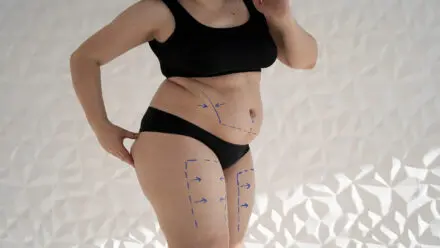

This article has been reviewed and verified for accuracy by Dr. Cengizhan Ekizceli (lead surgeon at Estherian Clinic).
Key takeaway: A gastric sleeve surgery, clinically called a sleeve gastrectomy, is a minimally invasive bariatric operation that permanently removes around 80% of the stomach. What remains is a thin, banana-shaped tube. This significantly lowers ghrelin, the main hormone that stimulates hunger, and limits physical food capacity.
Introduction: Taking Control of Your Health
Obesity is a complex, chronic condition influenced by biological, genetic, behavioral, and environmental factors, and long-term weight management can be difficult for some people despite lifestyle changes. A gastric sleeve procedure is a life-altering medical procedure intended to restore metabolic balance, not a cosmetic shortcut.
Modern gastric sleeve surgery offers patients a sustainable, long-term weight loss solution. The result directly addresses life-threatening medical conditions such as type 2 diabetes and hypertension. Patients undergo a dramatic reset of their relationship with nutrition and a quick physical recovery thanks to minimally invasive laparoscopic techniques. This detailed guide covers the surgical procedure, predicted weight loss results, safety guidelines, and cost factors.
What Is Gastric Sleeve Surgery?
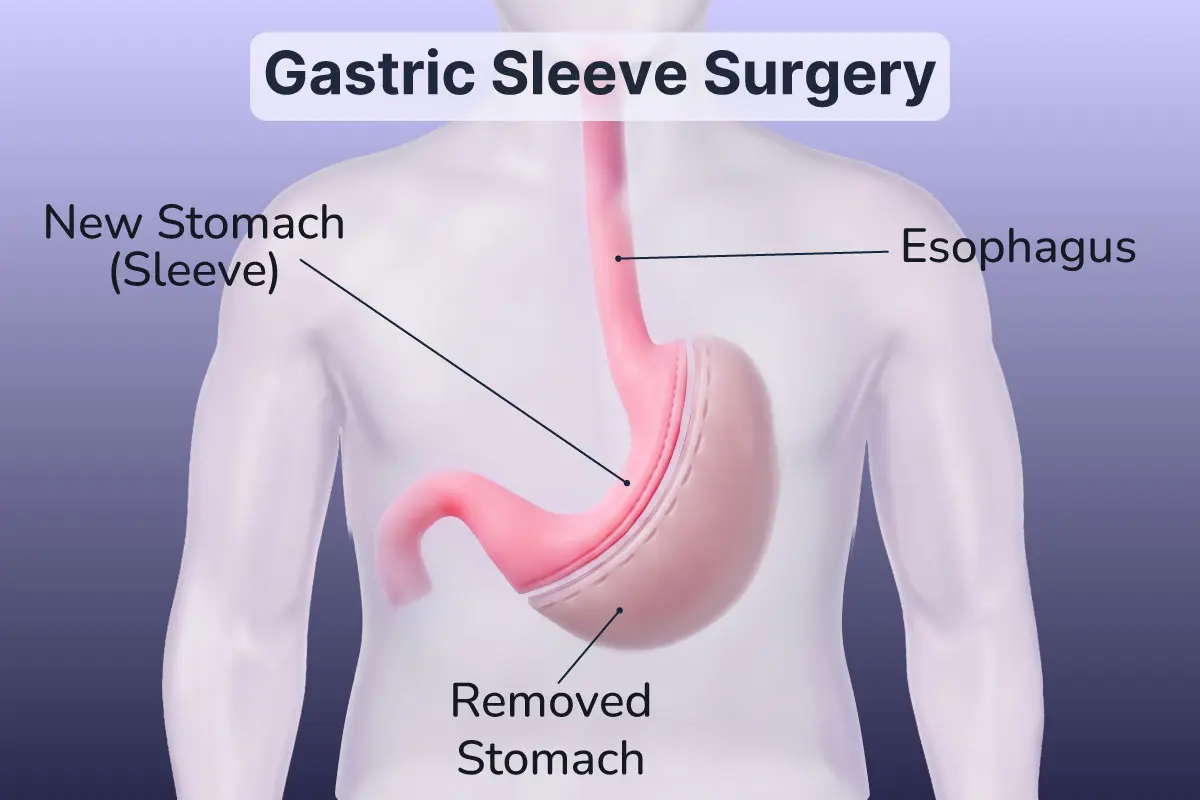
Gastric sleeve surgery is a gentle, minimally invasive procedure that helps you feel full sooner. During the surgery, your surgeon makes a few tiny openings in your abdomen, about the size of a keyhole. They carefully resize your stomach into a slender, vertical tube, about the shape and size of a banana, using special miniature tools and a camera to guide them. The surgery removes part of the extra stomach, which naturally reduces your appetite and helps you lose weight long-term and in a healthy way.
Because this surgery preserves your stomach’s natural emptying valve (the pyloric valve), normal digestion and nutrient absorption remain intact. Additionally, removing the excess stomach tissue drastically reduces the production of ghrelin, often called the “hunger hormone.” This sharp drop in ghrelin decreases persistent biological cravings, allowing you to feel satisfied after much smaller meals.
Core Health Benefits of Gastric Sleeve Surgery
The primary goal of sleeve gastrectomy is far more than visual physical transformation. Clinical studies from organizations like the American Society for Metabolic and Bariatric Surgery show that significant weight loss can help a systematic metabolic recovery in multiple organ systems.
- Type 2 Diabetes Remission: Type 2 diabetes may improve substantially or enter remission after bariatric surgery, although outcomes vary depending on factors such as disease duration, baseline health, and the type of surgery.
- Cardiovascular Protection. Weight loss and improvements in blood pressure and lipid levels can reduce cardiovascular risk.
- Joint and Mobility Relief: Losing excess body weight relieves mechanical tension on the knees, hips, and lower back, which alleviates persistent osteoarthritic pain.
- Resolution of Obstructive Sleep Apnea: More than 80% of patients no longer require CPAP machines when fatty tissues around the upper airway are removed after weight loss. This restores normal oxygenation during the night.
- Restores Hormonal and Fertility: In women with Polycystic Ovary Syndrome, normalizing weight stabilizes ovulatory cycles and other natural fertility parameters.
Treatment Options: Gastric Sleeve vs. Gastric Bypass
One of the most important decisions in your bariatric journey is choosing between a gastric sleeve and gastric bypass. Both methods result in substantial weight loss, but they work on entirely different physiological levels.
A gastric sleeve helps you lose weight in two simple ways: it physically limits how much food your stomach can hold, and it lowers your body’s appetite-stimulating hormones (Ghrelin) so you naturally feel less hungry. Because your small intestine stays untouched, food passes through your digestive system just like it always has. This keeps your body absorbing nutrients properly and avoids common complications seen in other weight-loss surgeries, like intestinal blockages or rapid gastric emptying.
A gastric bypass, however, creates a small pouch in the upper stomach and connects the small intestine directly to this pouch, bypassing the rest of the stomach and the duodenum. This procedure adds a malabsorptive element in addition to restriction. Bypass is very effective for severe gastroesophageal reflux disease (GERD) and uncontrolled diabetes, but it also has greater lifelong risks of micronutrient deficiencies.
Gastric Sleeve vs Gastric Bypass: Which Is Better?
The following table helps you better understand the differences between gastric sleeve and gastric bypass surgeries by explaining the details.
| Clinical Parameter | Laparoscopic Gastric Sleeve | Roux-en-Y Gastric Bypass |
| Surgical Mechanism | Restrictive + Hormonal (removes ~80% of stomach) | Restrictive + Malabsorptive (reroutes small intestine) |
| Intestinal Rerouting | No; the digestive pathway remains intact. | Yes; bypasses duodenum and proximal jejunum |
| Average Excess Weight Loss | 60% – 70% within 12 to 18 months | 65% – 75% within 12 to 18 months |
| Dumping Syndrome Risk | Very Low | Moderate to High (triggered by sugars/fats) |
| Lifelong Malnutrition Risk | Low; requires basic bariatric multivitamins | Higher; requires intensive, strict supplementation |
| Effect on Acid Reflux | May induce or worsen preexisting reflux | Excellent; preferred treatment to cure severe acid reflux |
| Procedure Reversibility | Irreversible (stomach tissue is permanently removed) | Technically reversible (anatomy can be reconnected) |
| Average Hospital Stay | 2 to 3 nights | 2 to 4 nights |
Gastric Sleeve Surgery Cost in Turkey: 2026 Price Guide
Thousands of potential bariatric patients are unable to receive care in their home countries due to financial barriers. In the United States and the United Kingdom, private bariatric surgery is expensive, and public health systems have multi-year waiting lists.
Cost Overview: Bariatric Surgery Packages
- United States: $14,000 to $25,000 (Facility fees, anesthesia, and surgeon bills are often charged separately).
- United Kingdom: £8,000 to £14,000 (equivalent to $10,000 to $17,500 in private hospitals).
- Estherian Clinic (Turkey): $3,200 to $4,500 (all-inclusive package, including 12-month dietitian support, VIP transportation, hospital stay, surgery, and a 5-star hotel).
Factors Affecting the Cost of Bariatric Surgery
The overall cost of a bariatric procedure depends on postoperative care, hospital accreditations, and surgical complexity. In Western clinics, ancillary costs like preoperative cardiology clearances, anesthesiology fees, and specialized bariatric dietitian visits quickly add to final bills.
| Cost Breakdown Element | United States (Average) | United Kingdom (Average) | Estherian Clinic (Istanbul Package) |
| Surgeon & Anesthesia Fees | $8,000 – $14,000 | £5,500 – £9,000 | Included (Board-Certified Team) |
| Hospital Stay (2–3 Nights) | $4,000 – $7,000 | £2,500 – £4,000 | Included (Fully Accredited Hospital) |
| Pre-Op Diagnostic Testing | $800 – $1,800 | £500 – £1,000 | Included (Endoscopy, Bloodwork, Ultrasound) |
| 5-Star Hotel Stay | Out-of-Pocket Expense | Out-of-Pocket Expense | Included (4 Nights Post-Discharge) |
| VIP Airport & Clinic Transit | Out-of-Pocket Expense | Out-of-Pocket Expense | Included (Private Chauffeur) |
| 12-Month Nutritional Care | $1,200 – $2,500 | £800 – £1,500 | Included (Dedicated Bariatric Dietitian) |
| Total Investment Range | $14,000 – $25,300+ | £8,800 – £15,500+ | $3,200 – $4,500 Total |
Turkey can offer comparatively lower treatment costs because of differences in operating, staffing, and healthcare costs between countries. Patients should still evaluate the hospital, surgeon credentials, accreditation, safety protocols, and aftercare rather than choosing based on price alone. All procedures at Estherian Clinic are performed in JCI-accredited surgical facilities using single-use, FDA-approved endoscopic staplers.
Transparent All-Inclusive Bariatric Packages
Explore all-inclusive medical travel packages that provide seamless support through every step of your bariatric journey. These comprehensive options combine your expert surgical care and private hospital suite with five-star hotel accommodation for a restful recovery. All packages also include private transportation and a one-year personal follow-up by certified bariatric dietitians after the surgery.
Recovery and Aftercare: The Post-Op Diet
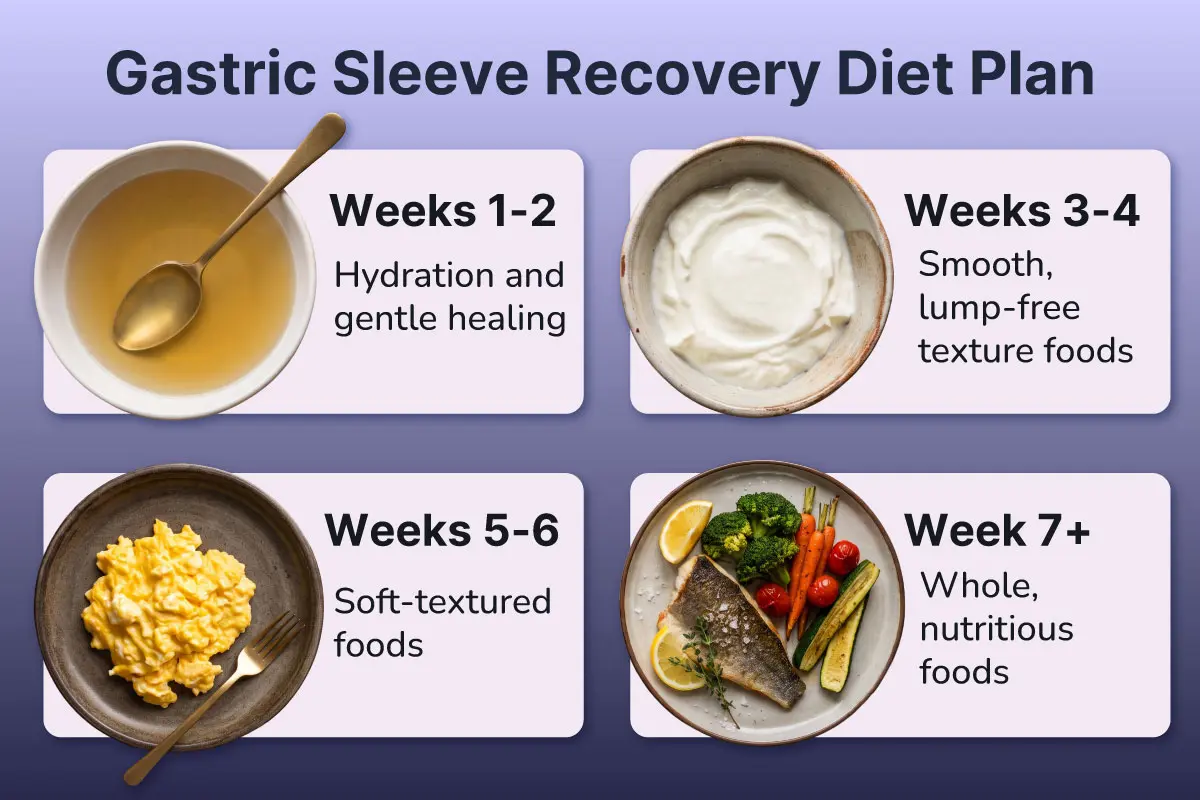
For your stomach to heal safely and to minimize discomfort like nausea, a structured post-operative diet is crucial. Following these dietary phases also helps establish sustainable, balanced eating habits that support your long-term gastric health.
- Phase 1: Clear and Full Liquids (Weeks 1–2): Focus on hydration and gentle healing. To meet a daily protein goal of 60–80 grams, drink clear broths, decaffeinated tea, sugar-free electrolyte water, and approved whey protein isolate shakes.
- Phase 2: Pureed Foods (Weeks 3–4): Start with smooth, lump-free texture foods such as Greek yogurt, pureed scrambled eggs, and blended white fish. Take your time and chew your food properly.
- Phase 3: Soft Solid Foods (Weeks 5–6): Change to soft texture foods that are simple to mash with a fork. Soft chicken, flaked salmon, steamed veggies, and sugar-free canned fruits are all well tolerated.
- Phase 4: Regular Solid Diet (Starting in Week 7): Go back to whole, nutrient-dense foods. Lean proteins should come first, then complex carbs and fibrous vegetables. Always keep liquids separate from meals for 30 minutes to avoid gastric distension.
Expected Weight Loss Timeline
The weight loss after a sleeve gastrectomy is rapid during the first six months and gradually stabilizes around the eighteen-month mark. This is the possible timeline:
- Month 1: Quick loss of 15 to 25 pounds (7 to 11 kg) due to fast breakdown of adipose tissue and retained fluid.
- Month 3: About 30% to 40% of excess body weight lost. As physical strain decreases, energy levels will rise.
- Month 6: Loss of 50%-60% of excess body weight. You can stop using obesity-related medications under physician supervision.
- Months 12 to 18: The majority of patients successfully lose 65% to 75% of their excess body weight and make the transition to lifelong weight maintenance after reaching their personal threshold.
Risks, Complications, and Side Effects of Gastric Sleeve Surgery
According to the Mayo Clinic, the safety profile of laparoscopic sleeve gastrectomy is very good, with major complication rates of less than 1% to 2%, and its statistical safety record is similar to routine gallbladder removal. Yet, every prospective surgical patient must carefully review potential risks:
- Staple Line Leak: This complication occurs in 0.5% to 1.5% of cases, and it’s when digestive fluid leaks through the gastric staple line. Normally, surgeons perform intraoperative leak checks and use reinforced stapler cartridges to prevent this complication.
- Transient Nausea and Dehydration: Usually caused by drinking fluids too fast or not sipping steadily throughout the day during early recovery.
- Gastroesophageal Reflux (Heartburn): Changing the pressure dynamic of the stomach can unmask or exacerbate acid reflux in 10-15% of patients and is usually treated with daily proton pump inhibitors (PPIs).
- Temporary Hair Thinning: Caused by rapid calorie restriction and metabolic changes, this condition happens between months three and six. This is a temporary condition only and reverses once protein intake stabilizes.
- Gallstone Formation: When you lose weight rapidly, the liver releases too much cholesterol into bile, which can lead to gallstones. Prophylactic drugs such as ursodeoxycholic acid are often prescribed for the first 6 months.
Are You a Suitable Candidate for a Gastric Sleeve?
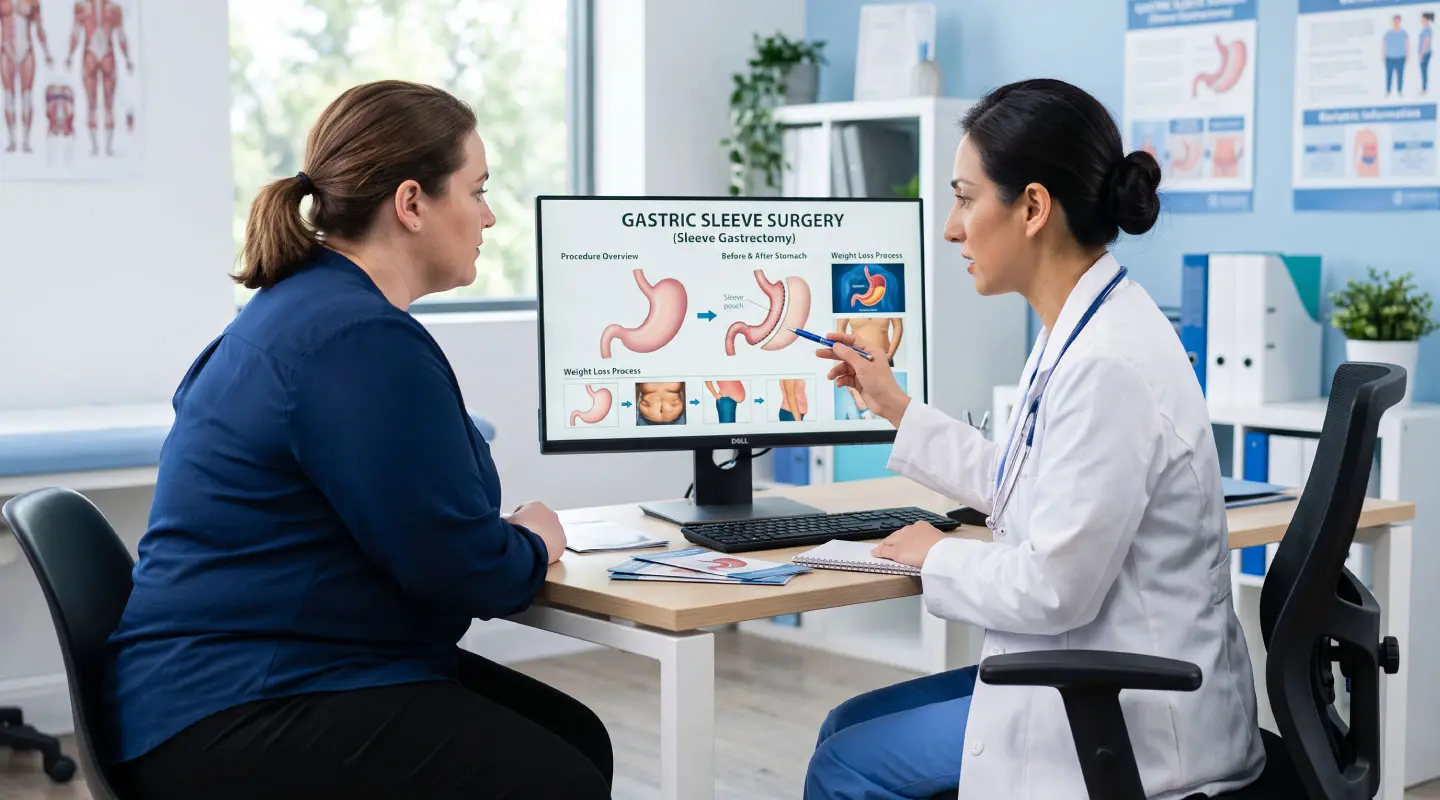
Comprehensive physical examinations, psychological testing, and precise anthropometric standards set by global bariatric consensus panels are all necessary to determine eligibility. Some of the main factors to examine before gastric sleeve surgery include
- BMI Greater Than 40: Regardless of secondary health issues, people with a Body Mass Index of 40 or higher are automatically eligible.
- BMI of 35 to 39.9 with Comorbidities: People who have at least one weight-related condition, such as type 2 diabetes, sleep apnea, hypertension, or non-alcoholic fatty liver disease (NAFLD), are eligible if their BMI is between 35 and 40.
- BMI of 30 to 34.9 (Select Cases): Under improved clinical guidelines, patients with uncontrolled metabolic syndrome who have not responded to medical therapies may be eligible.
- Commitment to Lifelong Lifestyle Change: Candidates must show that they are willing to give up carbonated drinks, prioritize lean proteins, take daily bariatric vitamins, and engage in regular exercise.
Check Your Bariatric Eligibility
Thinking about whether your current BMI and medical history make you a candidate for a sleeve gastrectomy? Take a short, confidential assessment of your eligibility by contacting the medical coordinators of Estherian Clinic.
Need consultation for Gastric Sleeve Surgery?
Don’t hesitate to ask your question!
Why Choose Estherian Clinic in Turkey for Bariatric Surgery?
In the heart of Istanbul, Estherian Clinic offers specialized surgical excellence, comprehensive hospital infrastructure, and supportive international patient care.
Our medical protocols include extensive preoperative diagnostics, including pulmonary function exams, comprehensive laboratory panels, abdominal ultrasounds, and pre-op endoscopies. We complete all of these at the Estherian Clinic to ensure the patient is safe before entering the operating room. We use only medical-grade, single-use Covidien and Ethicon stapler technologies to provide the maximum staple-line integrity.
From your private driver greeting you at Istanbul Airport to your recovery in partner 5-star accommodations, our multilingual concierges support every step of your health journey. Read our full overview of services for foreign patients coming to Turkey for aesthetic surgeries.
Related Bariatric and Body Contouring Treatments
Patients who have lost massive amounts of weight often find that the stretched skin around the abdomen, arms, and thighs cannot fully retract on its own. The body’s skin may lose its elasticity and fail to retract, often leaving excess skin folds that can cause physical discomfort and hygiene issues. However, there are some reconstructive procedures to improve comfort and restore aesthetic harmony:
- Post-Bariatric Tummy Tuck (Abdominoplasty): Removes large abdominal skin aprons (pannus) and tightens underlying abdominal muscles for an athletic contour.
- Large-Volume Liposuction: Refines stubborn, isolated areas of diet-resistant fat over the back, sides, and thighs to complete your shape transformation.
- Body Lift Procedures: Complete 360-degree surgical excision to lift and tighten excess tissue over the buttocks, outer thighs, and midsection.
What is gastric sleeve surgery?
Gastric sleeve surgery (sleeve gastrectomy) is a minimally invasive laparoscopic procedure that removes approximately 80% of the stomach. This procedure creates a narrow vertical tube in the stomach that limits the amount of food you can eat and reduces hormones that make you feel hungry, resulting in significant weight loss.
How much is gastric sleeve surgery in Turkey compared to the UK?
Gastric sleeve surgery costs between £8,000 and £14,000 in private clinics across the UK, while all-inclusive packages at Estherian Clinic in Turkey cost between $3,200 and $4,500. These packages include the surgical procedure, private hospital stay, luxury hotel accommodation, transfers, and a full year of nutritional follow-up.
How much weight will I lose with a gastric sleeve?
In the first 12 to 18 months after surgery, patients usually lose 60% to 70% of their excess body weight. Adopting a high-protein diet and consistent exercise regimens will be necessary to sustain this weight loss over time.
What are the long-term side effects of a gastric sleeve?
Manageable acid reflux, micronutrient deficiencies (like low vitamin B12, ferritin, or vitamin D), and excess skin folds after significant weight loss are the most frequent long-term side effects. Daily vitamin supplementation and routine bariatric blood testing reduce these risks.
Can you take ibuprofen after gastric sleeve surgery?
Non-steroidal anti-inflammatory drugs (NSAIDs) like aspirin, naproxen, and ibuprofen must be avoided by patients for at least a few months following surgery. These drugs irritate the lining of the stomach and greatly raise the risk of marginal ulcers; the best option for treating pain is paracetamol (acetaminophen).
Book Your Medical Assessment Today
The journey to sustainable health and vitality begins with an objective, compassionate clinical evaluation. Our experienced medical team will work with you to create a personalized and sustainable weight-loss roadmap. Our professional team will provide a full consultation and evaluation to offer a safe and transparent procedure. Book your bariatric journey now!