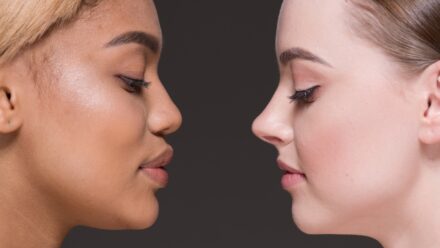


With advancements in the field of aesthetic surgery, Facial Plastic surgery procedures have been on the rise in recent years. According to the ISAPS – International Society of Aesthetic Plastic Surgery, approximately 38 million facial surgeries were performed globally in 2024 alone. From the advent of minimally invasive procedures to affordable costs and better accessibility, there are many reasons for this boost; however, knowing the exact scope, expectations, benefits, and limitations of any aesthetic surgery is the best way to ensure a successful and risk-free outcome.
Free Quality Consult with the Doctor!
Don’t hesitate to ask your question!
💉 Dissecting What Facial Plastic Surgery Really Is
By definition, facial plastic surgery is a sub-speciality that deals with aesthetic enhancement, surgical corrections, and reconstruction of the face, neck, and head.
The aim is to improve aesthetics, correct deformities, or restore traumatic damage. Moreover, plastic surgery for the face is also an effective avenue for restoring facial damage from pathologies such as cancer.
Anyone can avail themselves of facial plastic surgeries. However, the rule of thumb is to ensure that the growth of the facial structures is complete.
📍 There is no strict cutoff point in terms of age for these procedures. But, for most facial plastic surgeries, it is prudent to wait until after the age of 18 years (at least). There is no upper age limit, unless there are health issues that contraindicate surgery.
🏥 What Are The Types of Facial Plastic Surgery?
There are several different types of facial plastic surgery procedures available to prospective candidates, based on their needs. The classification includes:
Aesthetic Plastic Surgeries For The face
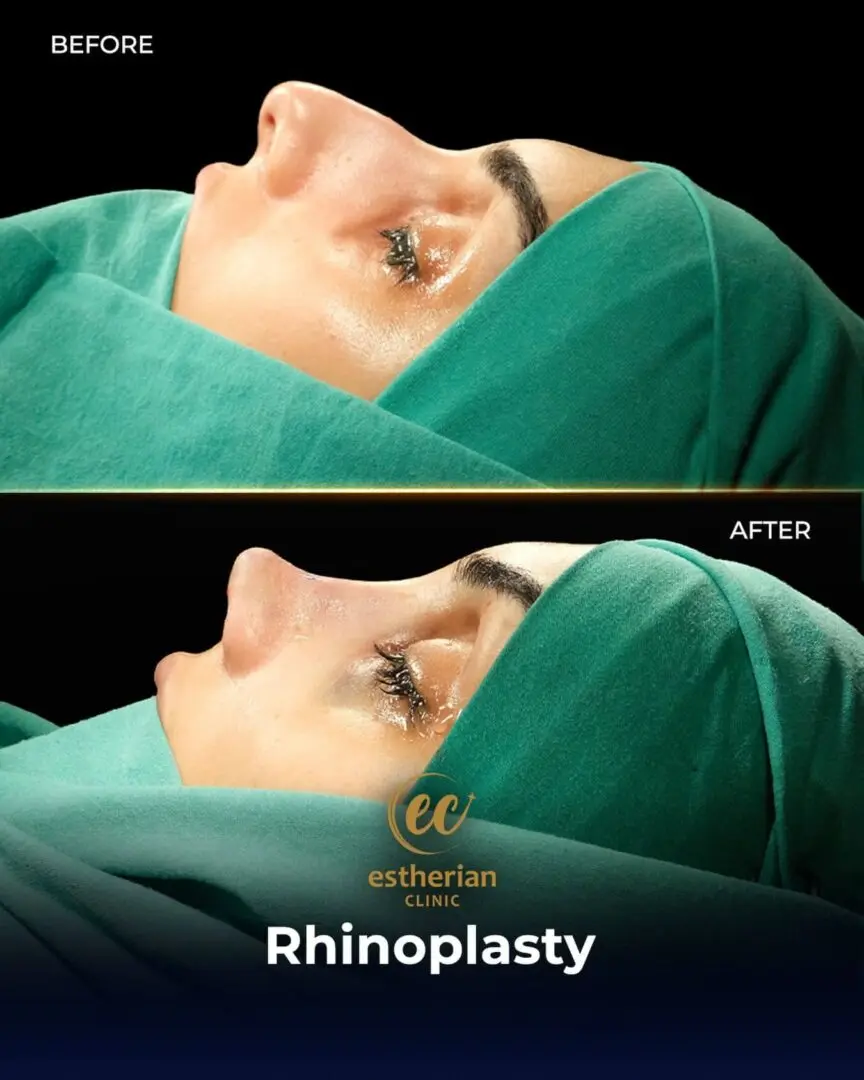
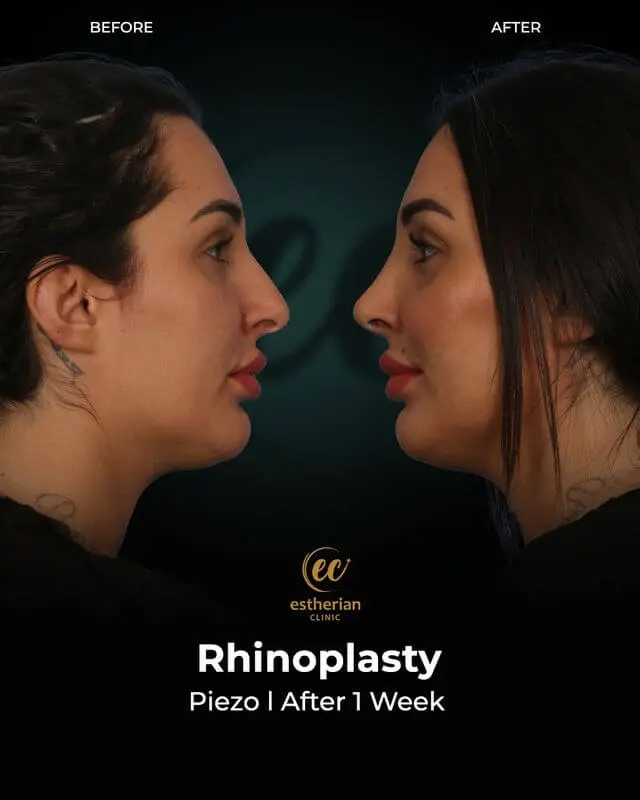
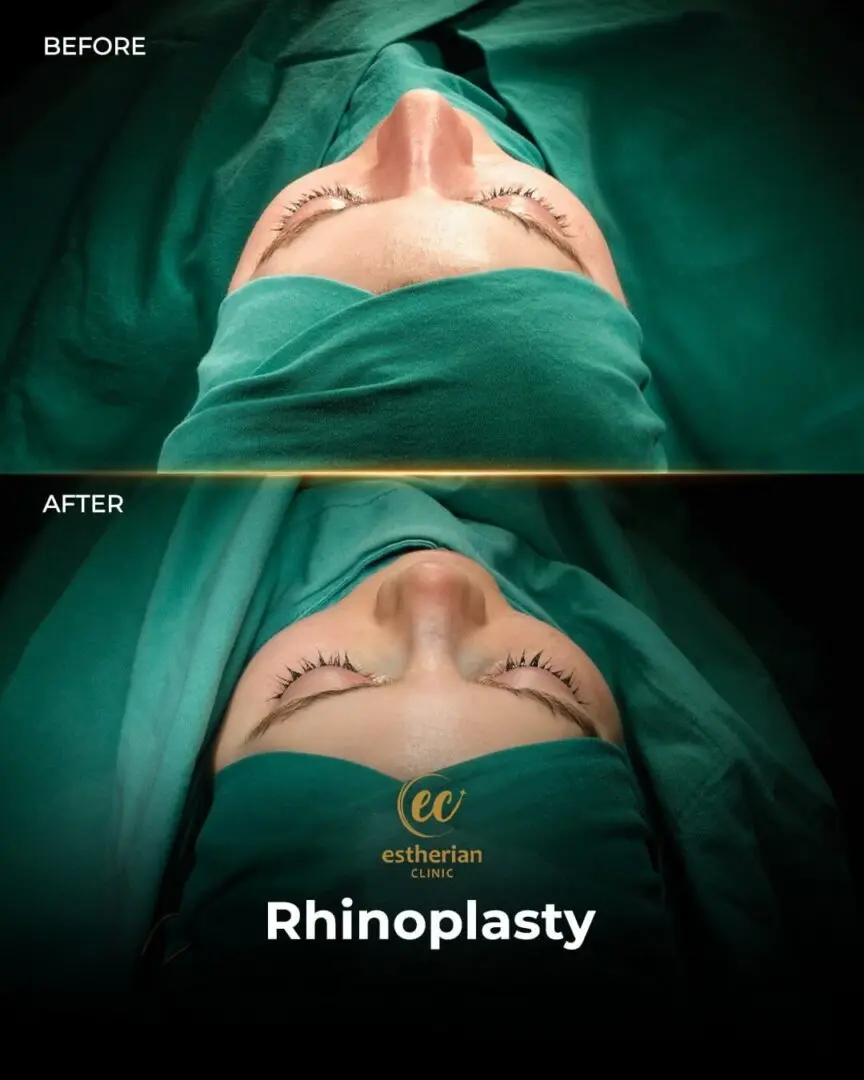
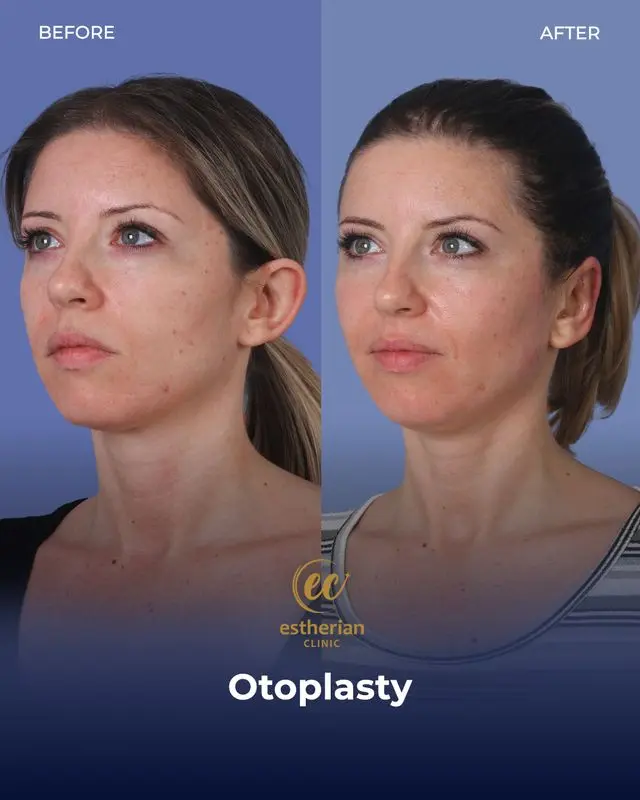
As the name suggests, aesthetic plastic surgeries aim to improve the appearance and balance of the facial structures. These include procedures such as facelifts, rhinoplasty, brow lifts, neck lift, blepharoplasty, contouring procedures (chin & jaw), otoplasty, hairline lowering, etc.
📍 According to the ISAPS Global Survey 2024, eyelid surgeries lead the way in aesthetic surgeries for the face, closely followed by nose job (Rhinoplasty), and other facial plastic surgeries.
Unsure which facial procedure fits your goals? Send us a quick message on WhatsApp! Our patient coordinators can guide you through everything.
Functional Plastic Surgeries For The Face
Unlike aesthetic procedures, where the plastic surgery for the face aims to improve appearance only, functional surgeries are done to improve or restore normal function.
In this context, some secondary enhancements in aesthetics may happen as well. However, that is not the primary goal of the surgical procedure.
Moreover, functional facial surgeries focus on correcting abnormalities, congenital/traumatic deformities, and structural issues caused by malignancies (cancer).
📍Common examples of functional plastic surgery for the face include rhinoplasty, ptosis repair, blepharoplasty, cleft lip and palate repair, and facial reconstructive surgery.
🩺 Who Can Avail Themselves of Facial Plastic Surgeries?
Anyone can get facial plastic surgery. However, to ensure the best possible outcomes, the following candidates are an ideal choice:
- Healthy adults with no or well-controlled secondary or chronic health issues
- Non-smokers and people who do not drink
- Candidates who want to treat a particular aesthetic or functional concern
- People who are not suffering from eating disorders or psychological issues
- Candidates with realistic expectations of the outcomes and a good understanding of the scope of the surgical procedure
- Individuals who have achieved maturity of the facial structures
- People looking to restore the function and appearance of the facial structures after trauma or a pathological condition
📍Co-morbidities like Diabetes, Hypertension, and obesity impact the outcomes and success of facial plastic surgeries. In addition, they may increase the risk of complications before, during, and after the procedure.
🏥 What Are Some Common Facial Plastic Surgeries?
Based on the ISAPS 2024, the share of face and neck aesthetic procedures globally was approximately 14.3% or 7.4 million surgeries. The most commonly performed plastic surgeries for the face/neck were:
Blepharoplasty
Removing extra skin, fat, and muscle from the eyelids to open up the eyes and decrease their puffy and saggy appearance.
Rhinoplasty
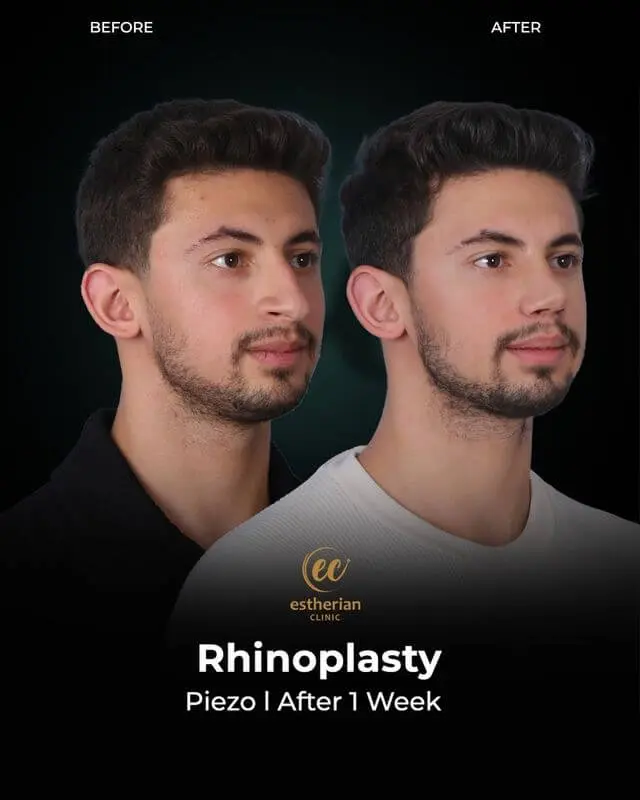
Surgical alteration of the shape, size, and symmetry of the nose for aesthetic improvement.
Facial Fat Grafting
Aims to restore lost volume and plumpness of the face.
Facelifts
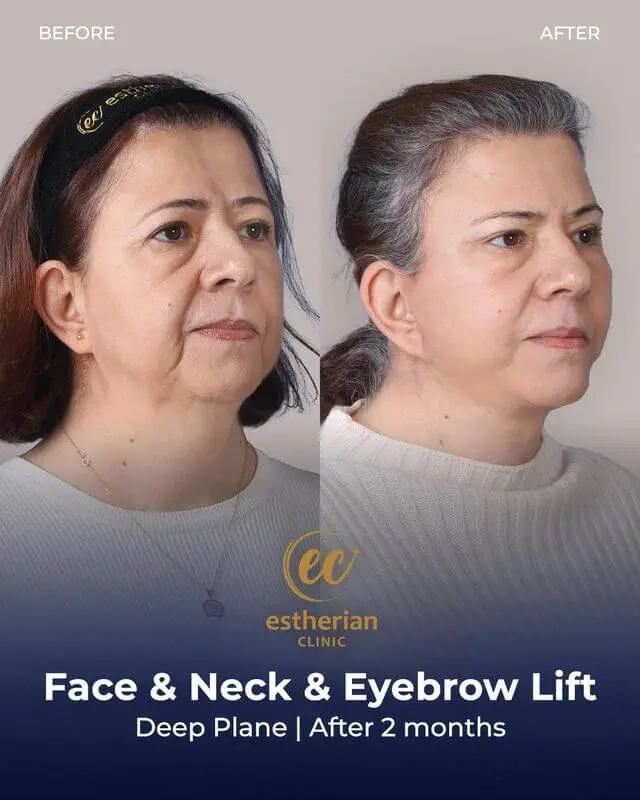
To restore youthful contours of the face by removing excess skin, repositioning sagging tissues, and improving the jawline.
Brow lift
Addresses droopy brows and lifts the periocular contours.
The global facial surgery trends are slowly shifting towards more natural-looking outcomes than exaggerated changes. The focus now is on subtle lifting and tweaking that complements the ethnic features and contours of the face, rather than more dramatic results.
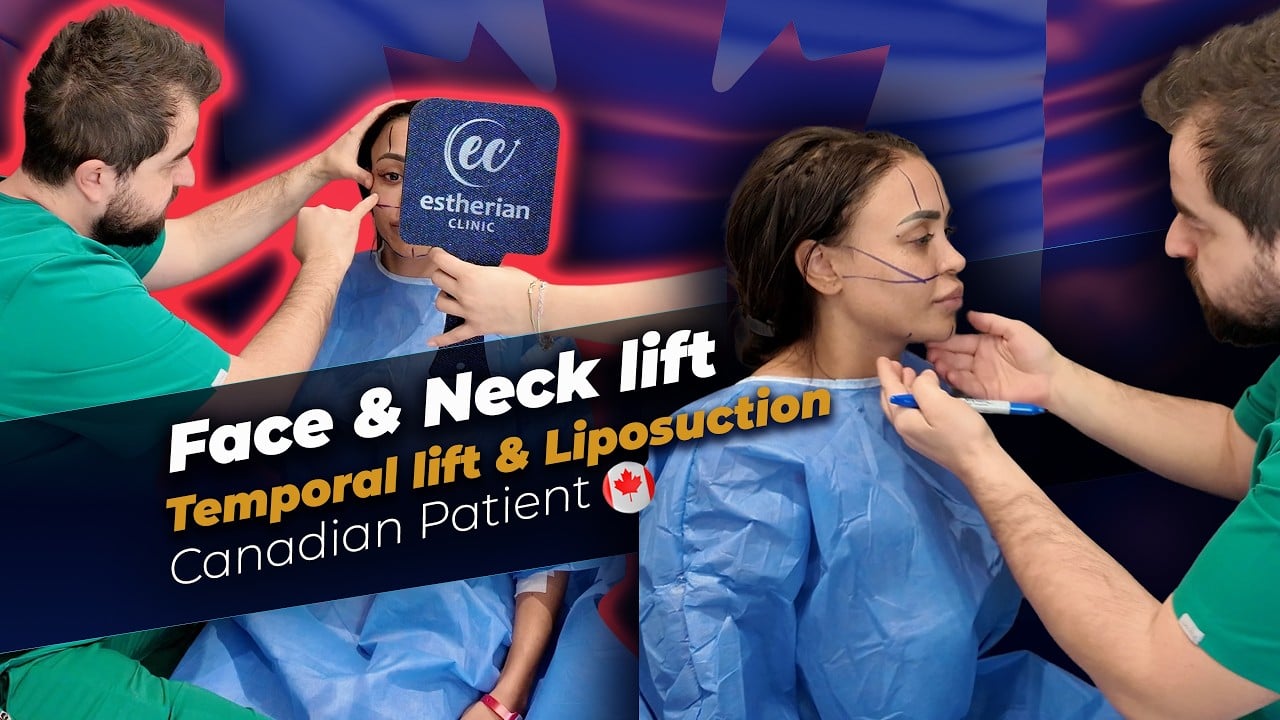
📍 Watch this video and follow along as we take you through the extensive transformation of our patient, including Fox Eye + Facelift + Neck Lift + 360 Lipo:
🎯 What Are The Options For People Who Can’t Have Facial Plastic Surgery?
Although plastic surgery procedures of the face have become very accessible in recent years, they are not suitable for all.
Physical and health-related limitations may prevent some candidates from getting facial plastic surgery. In this case, non-surgical facial treatments are a viable option, such as:
- Botox or Botulinum Toxin injections
- Dermal Fillers
- Chemical Facial Peels
- Facial Laser Resurfacing Treatments
- Intense Pulsed Light (IPL) Facial Treatment
- Treatments For Facial Collage Stimulation (Microneedling, Plasma-Rich-Platelet Therapy)
- Ultrasound Therapies
- Non-surgical Thread Lift
✨ What Are The Advantages of Plastic Surgery For The Face?
One of the main benefits of plastic surgery is that it can enhance one’s external appearance, which in turn makes people feel more confident about themselves. Not to mention, plastic surgery can improve one’s health as well.
A good example of this is the Blepharoplasty. The elimination of excess skin in the upper eyelid can drastically improve peripheral vision.
🏥 What Are The Complications of Plastic Surgery For The Face?
Every type of plastic surgery comes with some risks. One of the main risks people should know about regarding plastic surgery is bleeding and scarring.
Scarring can interfere with the aesthetics of the final results of any surgery. On the other hand, excess blood loss can lead to death. In addition, infections are also a massive risk when getting plastic surgery.
To add to this, unsatisfactory outcomes are also a high risk of plastic surgery.
🩺 How To Choose The Most Beneficial Facial Plastic Surgery?
You can choose the best facial plastic surgery for yourself by first deciding what your aesthetic goals are, your concerns, and then reaching out to a board-certified surgeon for expert advice.
✨ How Long is The Recovery Period After Facial Plastic Surgery?
The recovery period of facial plastic surgery involves a lot of bruising and swelling in the very beginning. However, this bruising and swelling subsides with time.
Patients typically require ample rest to let their bodies recover and to keep the swelling under control. In addition, patients will need to take up to two weeks off for their early recovery. During this time, they have to avoid any kind of extreme activity to avoid any injuries and complications to their recovery.
In addition, doctors recommend light walking to improve circulation and support healing.
The full recovery can take anywhere between 3 months and even 12 months, depending on the surgery.
Have questions about downtime or scar management? Chat directly with our medical team on WhatsApp to get clear, personalized answers about recovery times and safety protocols!
Frequently Asked Questions (FAQs)
Is Plastic Surgery For The Face Safe?
Yes, in the hands of a trained and certified plastic surgeon, like those of the Estherian Clinic, plastic surgery procedures of the face are safe and effective.
Are Facial Plastic Surgery Procedures Easily Accessible?
Yes, the rise of quality medical tourism has made all types of aesthetic surgeries, including facial plastic surgery, highly accessible.
How to Ensure That My Facial Plastic Surgery is a Success?
The best way to ensure a successful and effective facial plastic surgery is to choose a qualified plastic surgeon and a well-equipped and reliable surgical center.
Is Facial Plastic Surgery Painful?
No, it is not. Facial plastic surgery is pain-free because a combination of adequate anesthesia and sedation is used to ensure patient comfort. On the other hand, there might be some discomfort during the early recovery period, which is treated with pain medications prescribed by the surgical team.
✨ Real Success Stories, Real Results: Forehead Reduction Surgery
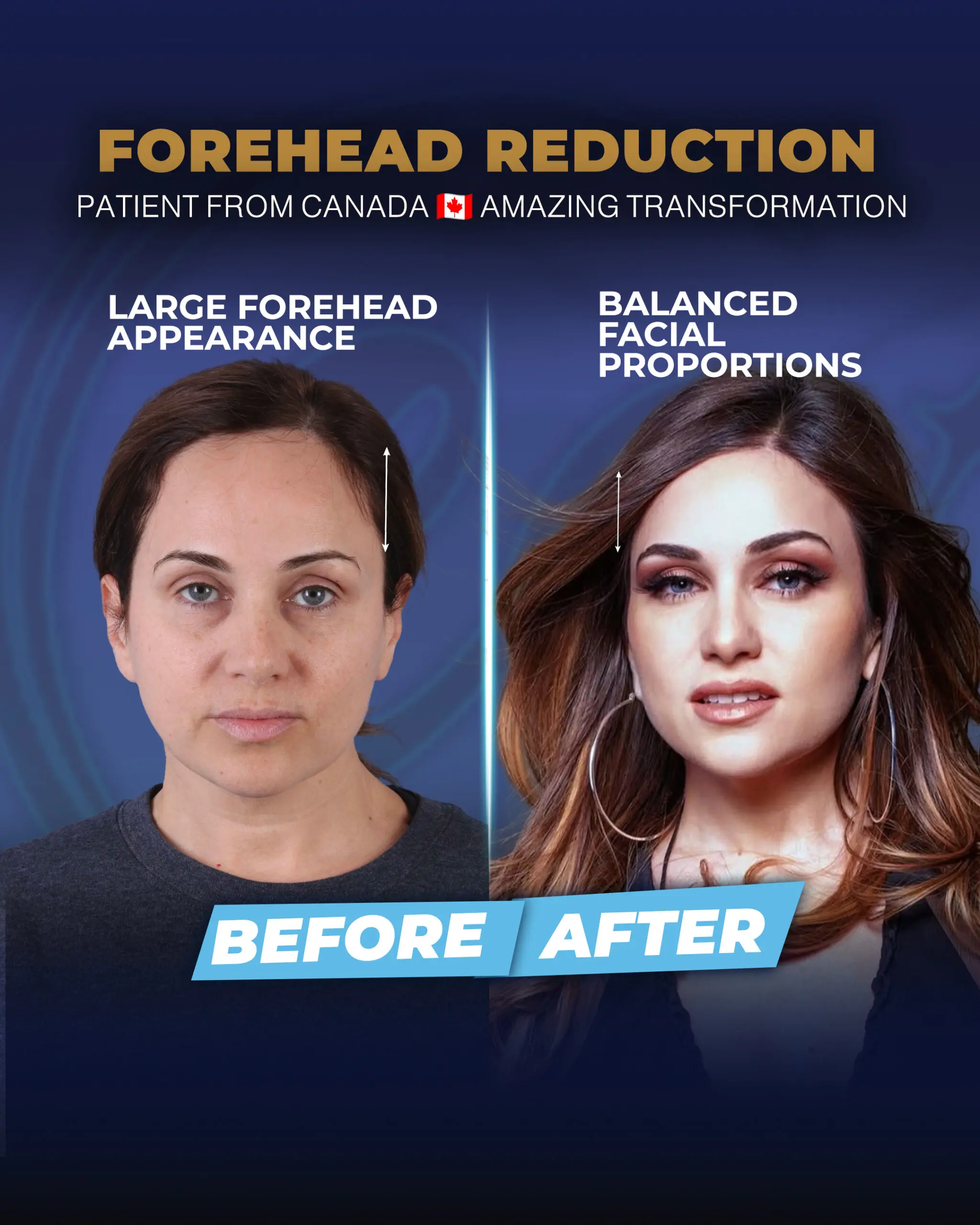
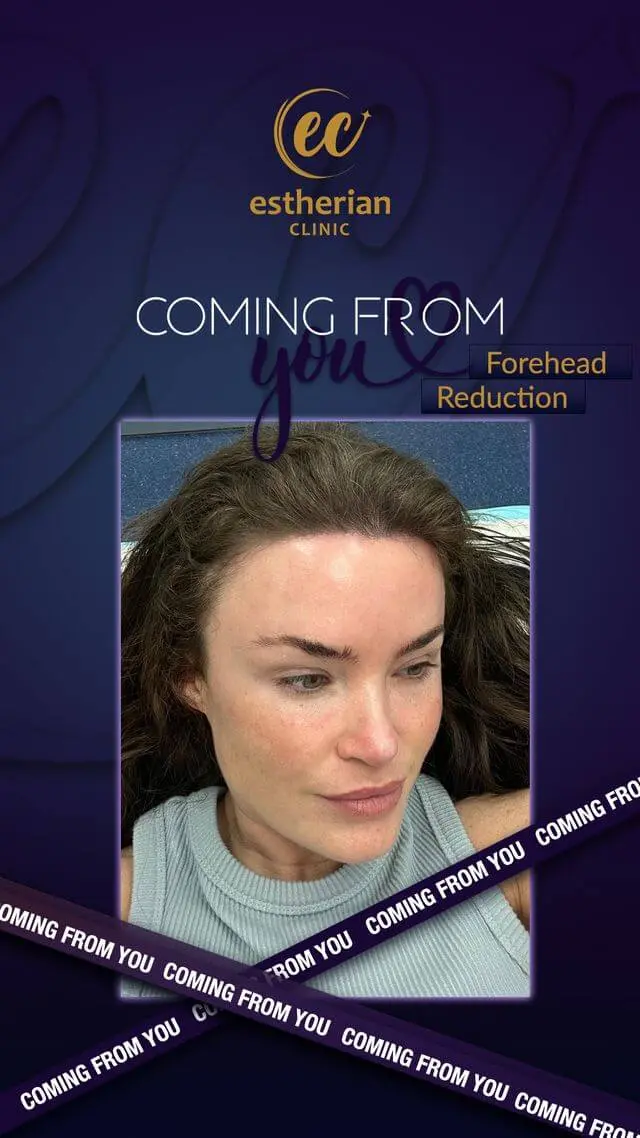
The patient came to our clinic with the goal of reducing the height of her forehead. Her frontal hairline sat very high, which made the upper-third of her face appear disproportionately larger to the rest of her face.
Let’s learn more about her surgery and how it brought balance to her face:
Before the Surgery
- Before her forehead reduction surgery, the patient’s forehead was large both in height and width.
- The height of her forehead made her naturally arched eyebrows appear straight.
- This, in turn, made her eyelids also appear droopy.
- In addition to this, the size of her forehead disturbed her facial balance as well.
After the Surgery
- To begin with, the biggest change the forehead reduction surgery made to her face was that it feminized it and softened her facial aesthetics.
- It shortened the distance between her hairline and eyebrows, thereby making the eyebrows look lifted.
- The results also helped make her eyebrows look more arched.
- Prior to the surgery, the upper section of her face was much longer, but the surgery made her forehead smaller to balance out her facial features.
- Since the surgeon made the incision behind the hairline, her scar is completely undetectable.