


Teeth that are crooked or have gaps in them can affect the way we look. They can take a toll on one’s self-esteem and can even cause a bunch of other dental issues. These include gum issues due to plaque buildup, as brushing and flossing around crooked teeth isn’t as smooth. In general, keeping crooked teeth clean can be quite a challenge, and an inability to perform dental care on them can even lead to tooth decay. Moreover, they can also make it hard to chew. Invisalign and braces are both treatments that one can get to straighten their teeth and improve their alignment for better-looking and functioning teeth. In today’s blog, we will explore the topic of Invisalign vs braces, their advantages, disadvantages, and more.
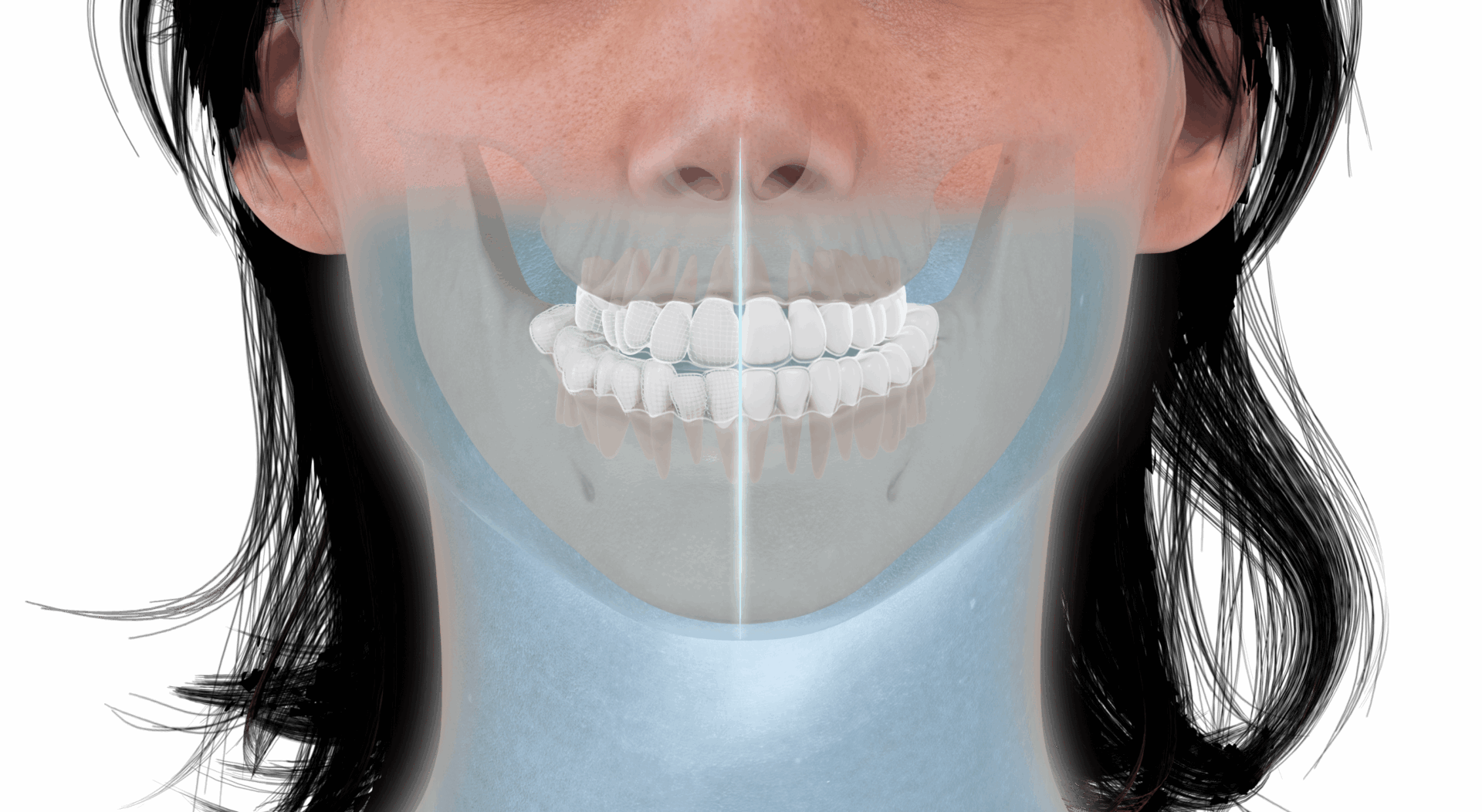
🦷 The Difference Between Invisalign and Braces
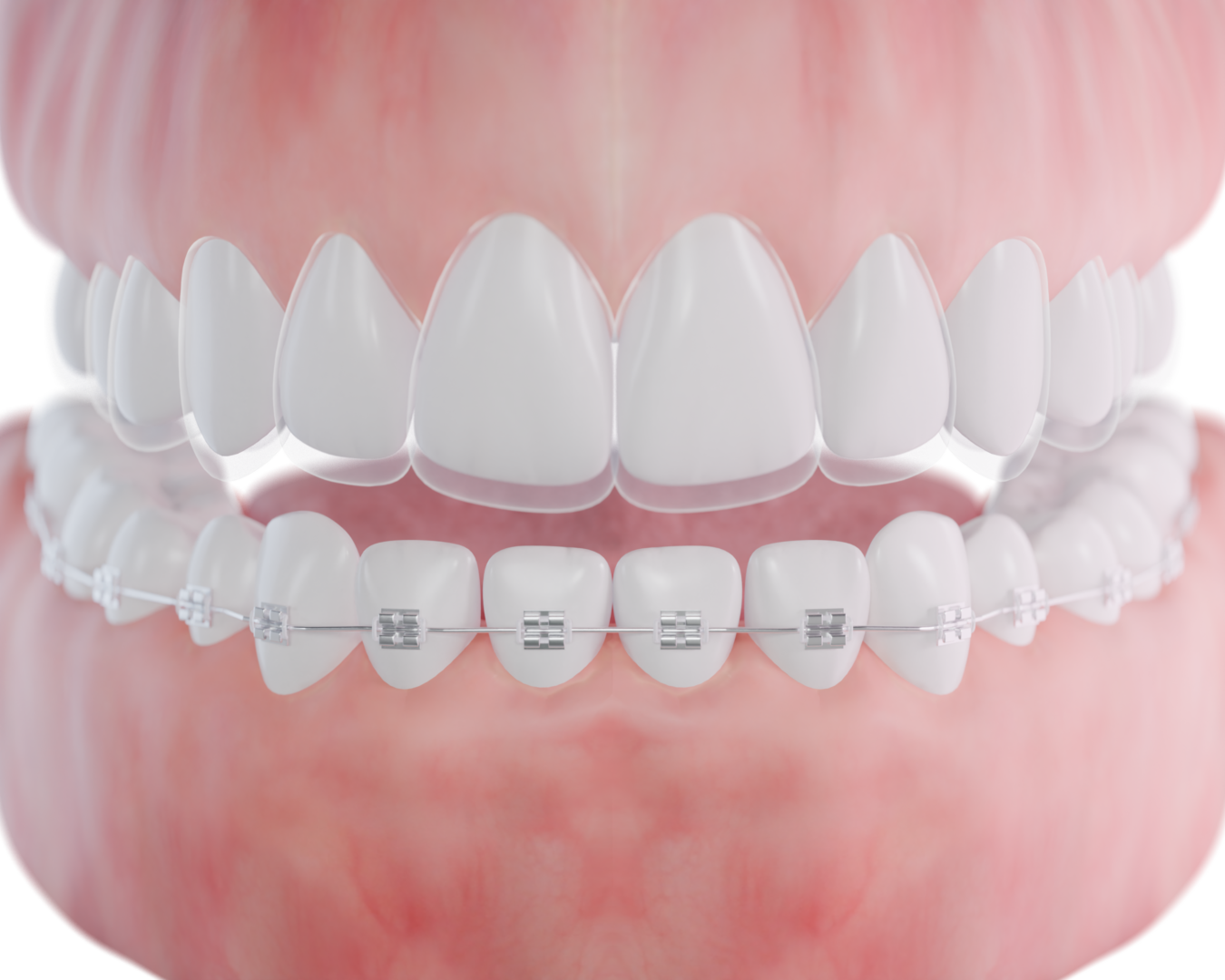
Invisalign includes aligners made of clear plastic that are made to gradually move the teeth into the right place. These are made after the patient’s mouth is scanned so that the Invisalign aligner is completely customized to their teeth. To add to this, this treatment involves a series of aligners that a patient wears one-by-one, which for about 2 weeks, until the teeth reach their perfect position.
On the other hand, braces are made out of metal, and they involve wires and brackets that are attached to the teeth. Unlike the clear Invisalign aligners, traditional braces are visible. They help move the teeth to help align them.
Invisalign is usually recommended for moderate dental issues (such as crowding issues, spacing, etc). However, for more complex dental problems (such as gaps in the teeth, improper eruptions, etc), braces are typically recommended.
😁 Comfort of Invisalign vs. Braces
If you are thinking about which is better in terms of comfort, Invisalign vs. braces, you should know that Invisalign is not completely painless. Since the treatment involves fixing the positioning of the teeth, it obviously involves some pain and discomfort; however, Invisalign aligners are a lot more comfortable than the usual metal braces with wire as they are made of plastic and have no sharp corners. With Invisalign, there is no chance of having any irritation or cuts inside the mouth and cheeks.
🍎 Eating with Invisalign vs. Braces
Patients who have traditional braces are limited in terms of what foods they can eat. They cannot eat anything that is too hard, as it can ruin the braces. However, Invisalign is pretty flexible in this regard, as the patient can simply remove their aligners when they want to eat.
📍 One thing to note is that good oral hygiene is essential whether you get metal braces or Invisalign. Brushing and flossing are key to protecting your oral health.
🪥 Cleaning Invisalign vs. Braces
Cleaning aligners (Invisalign) is much more straightforward compared to regular braces because:
- Unlike braces, Invisalign is removable, hence there is no hindrance in cleaning the teeth or the aligner itself.
- There is no need for special dental hygiene equipment like water flossers or interdental brushes with Invisalign. Regular tooth brush and floss are adequate for teeth cleaning.
- Braces trap food debris in wires and brackets, whereas you can simply remove Invisalign before eating anything.
- Maintaining gum and oral health is a breeze with Invisalign, compared to regular braces.
In short, Invisalign simplifies many tedious aspects of dental cleaning that require effort and time with braces. Patients do not have to contend with fixed wires and brackets, and the cleaning process is much quicker and streamlined.
🏥 Pros and Cons of Invisalign
Like any clinical device, Invisalign also has its advantages and cons. To have a satisfactory outcome, it is best to understand the treatment, its scope, and drawbacks before committing to it.
The pros of aligners like Invisalign are pretty obvious. They are easy to insert, almost invisible, and easy to clean and maintain. There is less chance of irritating the gums and other dental tissue with Invisalign, and there is also no need to visit your dentist as frequently. Moreover, Invisalign allows for a more straightforward, quick, and regular dental hygiene routine compared to braces.
Having said that, Invisalign requires stricter compliance for the best outcomes. The treatment is pricier and may not be suitable for more complex dental abnormalities. Like any portable or removable equipment, there is the chance of losing the aligners, something that is not possible with conventional braces.
🦷 Pros and Cons of Braces
Braces are the most cost-effective and conventional treatment for dental abnormalities. They are highly effective for complex Orthodontic issues like severe malposition, misalignments, or bite issues. Once applied, Braces stay in place without the need for manual removal or insertion. However, braces are high maintenance. It is a complicated process to clean around the wires and brackets and maintain oral hygiene on a daily basis. Compared to aligners, braces require frequent adjustments, which in turn translates to frequent dental visits.
🩺 Choosing between Invisalign and Braces: Which One Is Better?
Research suggests that both regular dental braces and aligners like Invisalign are equally effective treatments for dental issues. The choice for the most appropriate treatment depends on the extent of the Orthodonitic problems and personal preference.
Invisalign is best for people with mild to moderate misalignments that require a discreet and easy-to-maintain solution. It is suitable for individuals who can strictly adhere to wearing the aligners for 20-22 hours on end without fail.
Braces are best for severe Orthodontic issues. They are particularly suitable for kids, since strict compliance is not required. These are also a more cost-effective alternative for patients.