

The appearance of fine lines and wrinkles is a natural occurrence as one’s age progresses. The skin, in general, becomes saggy, which makes the face look tired. On top of that, while a surgical facelift seems like an effective solution, it may not be suitable for those with just moderate sagging. To add to this, many do not want to go the invasive route and opt for a full facelift. This is where a thread lift comes in. Keep reading to get more details on how a thread facelift compares to a surgical facelift and how it can benefit one by revitalizing the face.
Free Quality Consult with the Doctor!
Don’t hesitate to ask your question!
What Is a Thread Lift?
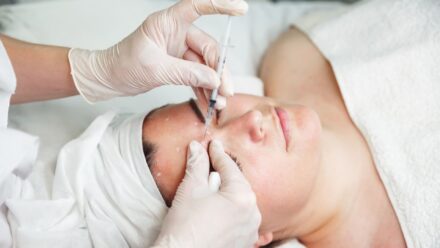
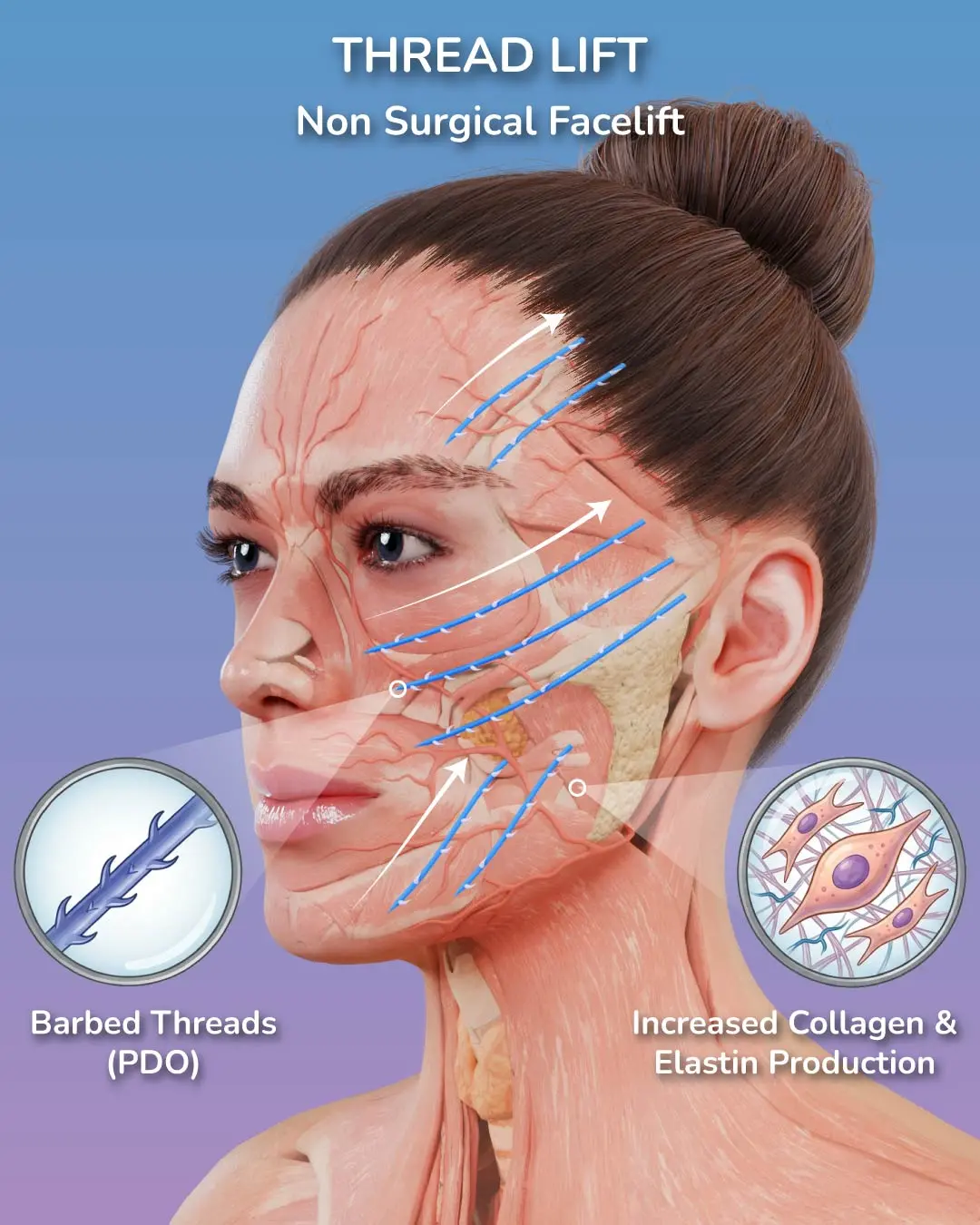
One of the main differences between a surgical facelift and a thread lift is that a thread lift is a non-invasive option. The reason is that it involves no incision and uses medical-grade or PDO threads to tighten and lift the skin. The surgeon inserts these threads under the skin and then pulls them to lift the skin so it looks smoother and tauter.
Once the threads are inserted and pulled, it triggers the body’s healing mechanism, which boosts collagen. Ultimately, this makes the skin look more rejuvenated and youthful.
What Can Thread Lifts Do for the Face?
Thread lifts can help lift sagging brows, as the procedure can be used to perform a brow lift. They can also help achieve the almond eye look by lifting the brows to make the eyes look more lifted at the corners. In addition, thread lifts can also freshen up the sagging neck area to give it a lift and make it appear smoother.
How Does the Procedure Work?
For starters, the surgeon administers local anesthesia. The goal is to make the procedure as seamless and painless for the patient. Furthermore, since the surgeon does not make any incision, they make entry points to insert the threads. Next, the surgeon inserts the collagen threads under the skin. Once the threads have been fixed into position, the skin gets a lift that significantly decreases the appearance of the mild sagginess and wrinkles in the skin.
What to Do After the Procedure
Since the post-surgery stage involves bruising and swelling, the following tips can help one heal faster after a thread lift procedure.
- Using a cold compress can help reduce the bruising and swelling.
- Avoid wearing makeup as the face heals.
- Sleeping with the head elevated is better for controlling the swelling.
- Don’t perform any extreme activity for the first couple of days post-procedure.
- Your surgeon will recommend a skincare routine for you. Following it will ensure there will be no harm to the results.
Advantages of Getting a Thread Lift
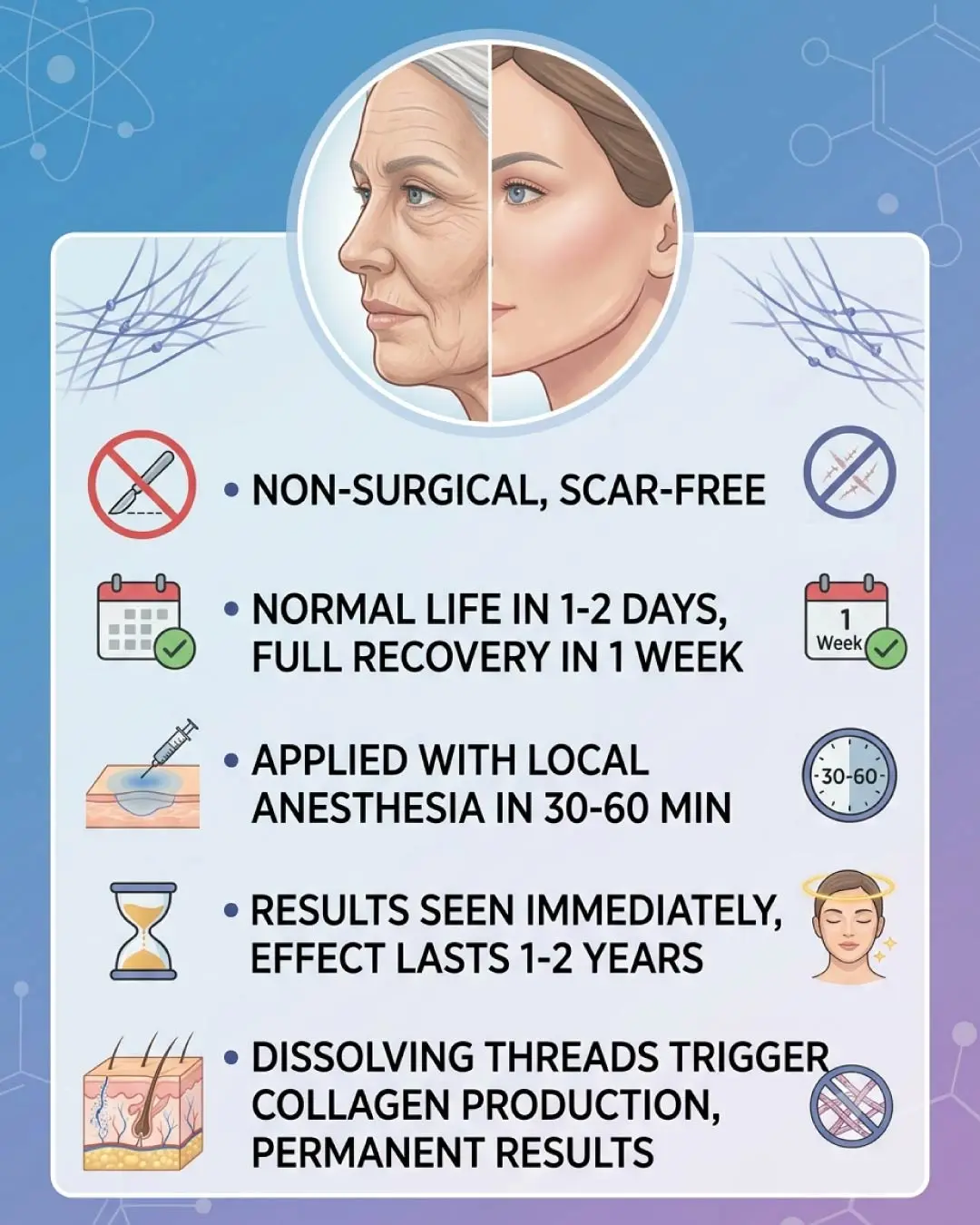
Compared to before the procedure, the face looks much more refreshed after the thread lift. The biggest advantage is that this procedure does not have the risks that surgery has. However, it is not suitable for correcting excessive laxity in the skin.
Furthermore, since there is no incision, the recovery time is very quick. The bruising and swelling will only last for the first five days. The results will gradually reveal themselves, leaving a much more defined face and jawline, and skin that’s much healthier and supple-looking.
Wondering if you’re a candidate for a thread lift? Chat with us via WhatsApp to get your questions answered in real-time.
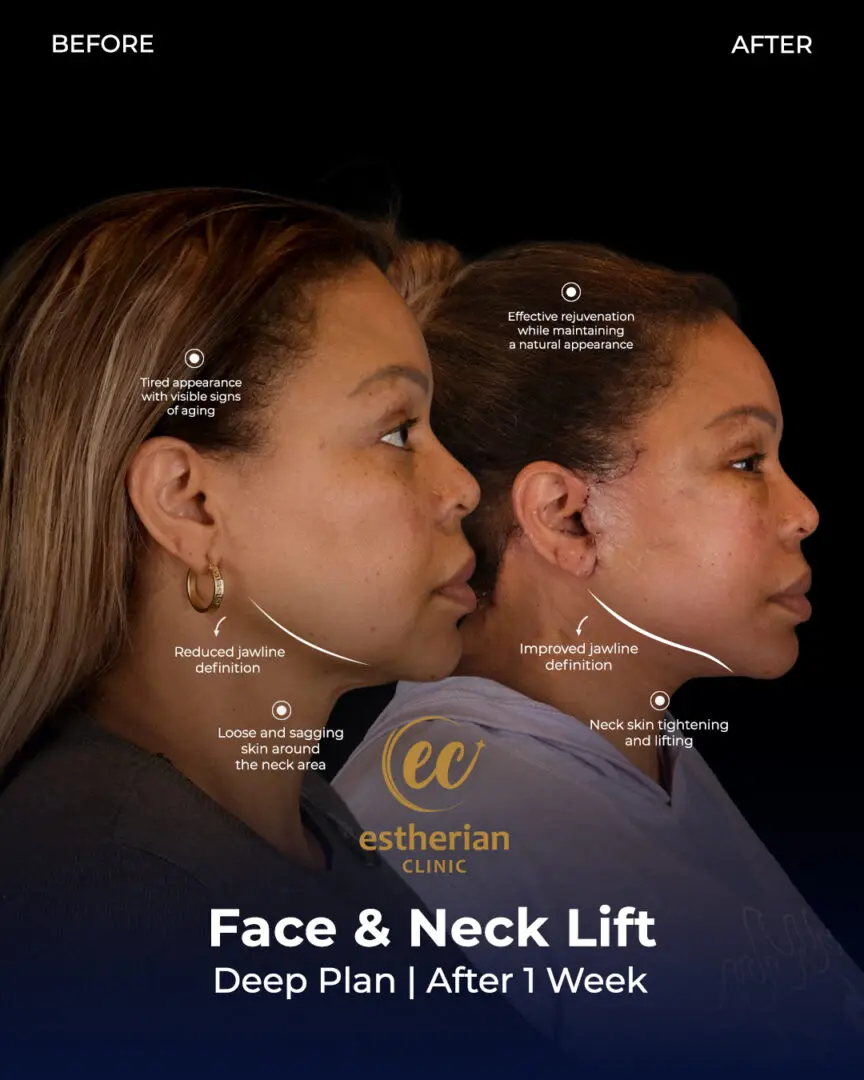
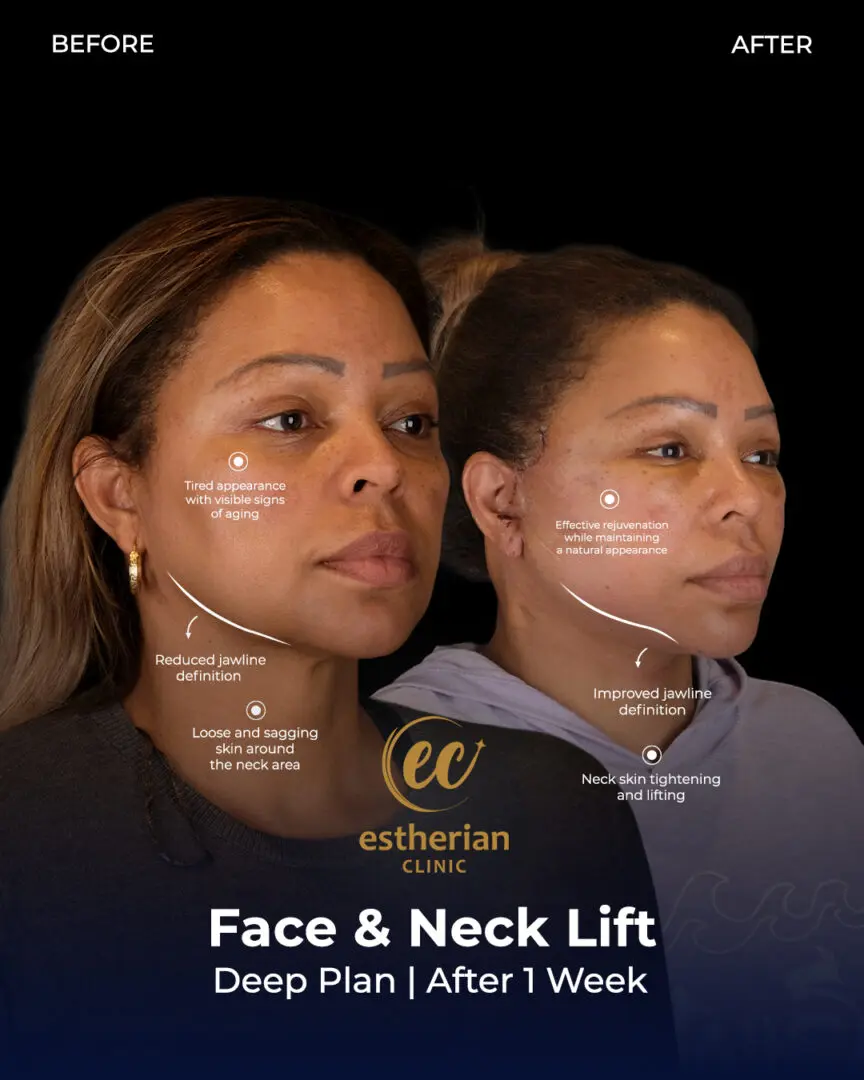
A Comparison Between a Thread Lift and Surgical Facelift
| Thread Lift | Facelift |
| A thread lift has entry points | A Facelift has incisions |
| Involves the use of absorbable PDO threads | Involves adjusting the tissue |
| Ideal for moderate laxity | Is best for extensive sagging |
| Scar-free procedure | Since the incisions are made in the natural creases, the scars exist but are not as noticeable |
| The results are subtle | The surgical outcomes are much more dramatic, with an extensive reduction in sagging |
| Involves the use of local anesthesia | A surgeon uses general anesthesia |
| The effects of a thread lift can last anywhere between a year and two years. | The results can last up to 7 years or even more. |
Find out which lift is right for your skin. Reach out to us via WhatsApp for a personalized consultation with our surgeons.
When is a Thread Lift NOT the Option?
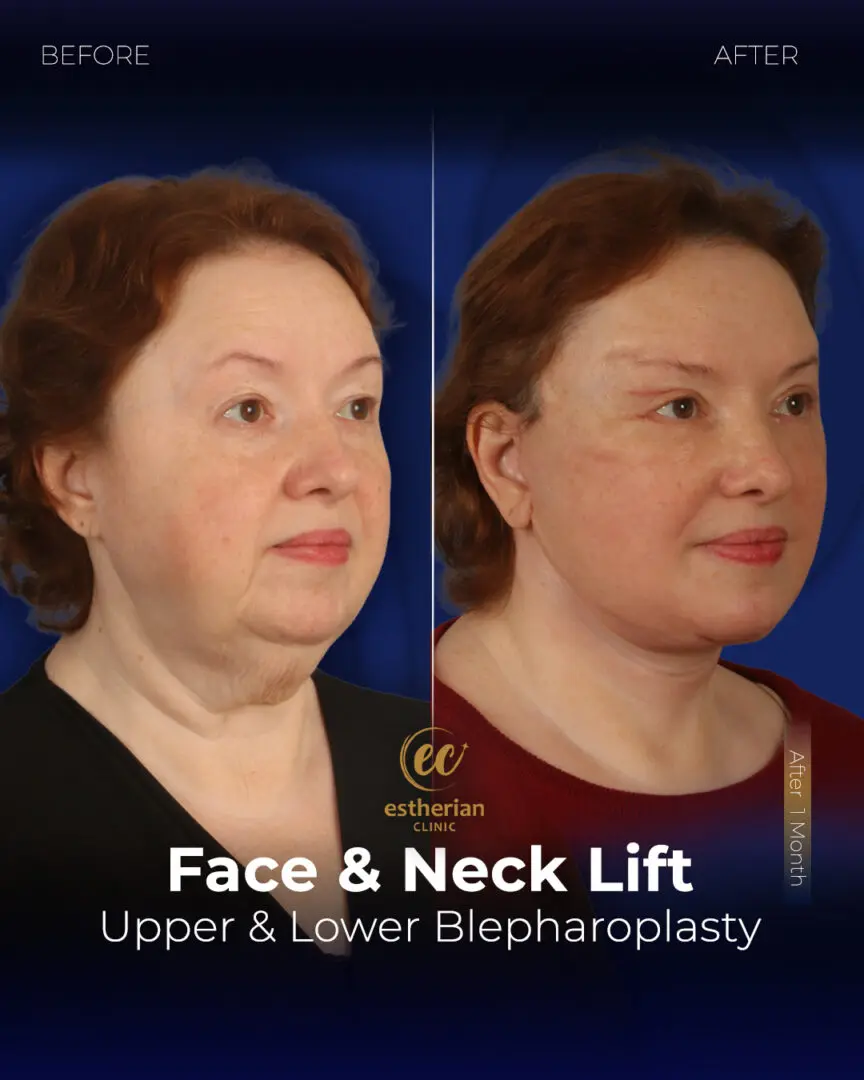
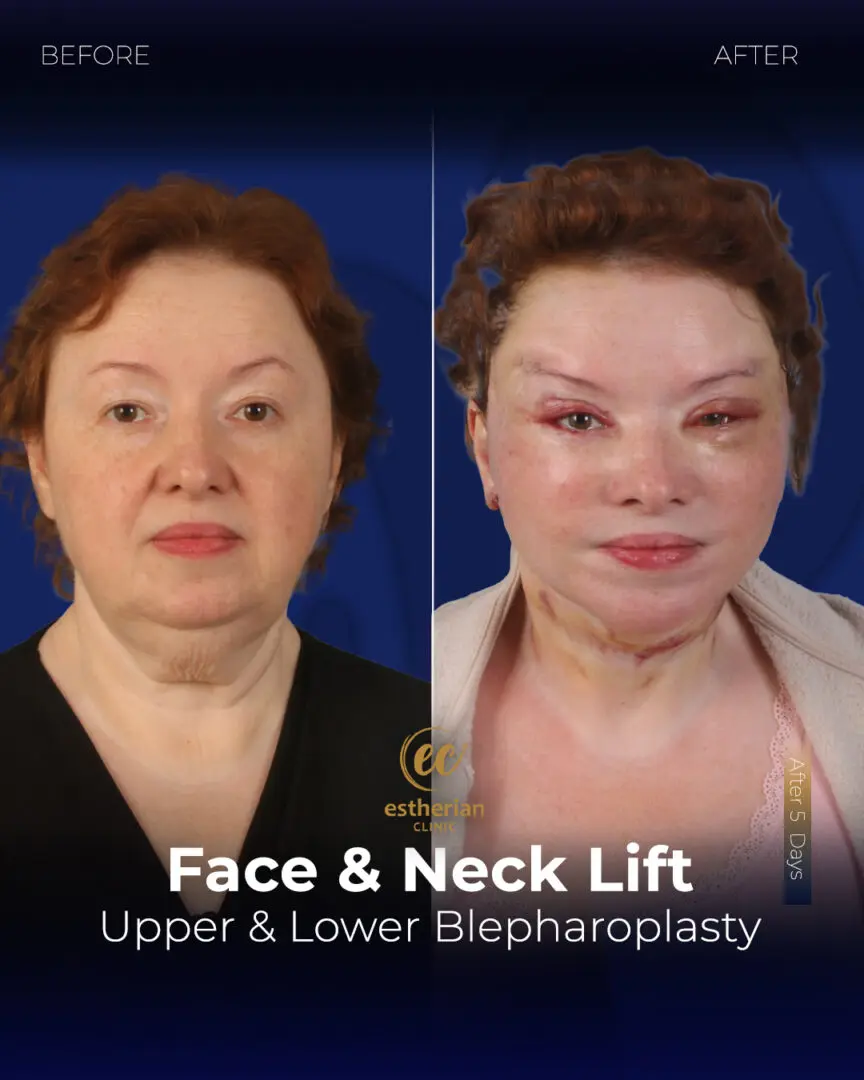
As we mentioned before, thread lifts are not suitable for people whose faces show signs of advanced aging. For patients who have deep nasolabial folds, significant laxity in the neck area, or extensive jowling in their face, a thread lift is not a good option.
Aging can sometimes thin out the skin due to decreased laxity. A thread lift in such a situation may not be the best idea.
Since a surgical facelift requires repositioning the underlying layers of the face, the results are much more drastic and last longer. You can read our blog on the deep plane facelift to learn more.
Get your facelift consultation with our surgeons by filling out this form.