
Introduction
A fuller, better-defined beard is something many men want but cannot always achieve naturally. Genetics, uneven hair growth, scarring, or simply sparse facial hair can leave certain areas of the beard looking patchy or incomplete. For this reason, a beard transplant in Turkey has become an increasingly popular option for men looking to improve the density, shape, and overall appearance of their facial hair.
Turkey has become one of the most popular destinations for hair restoration procedures, attracting international patients with experienced providers, treatment packages, and competitive prices. However, choosing to have a beard transplant abroad involves more than comparing costs or booking a package. The surgeon’s experience, the technique used, the facility, graft planning, aftercare, and follow-up arrangements can all influence your experience and results.
So, how much does a beard transplant in Turkey cost? Is it safe to travel abroad for the procedure, and what should you look for when choosing a surgeon or clinic?
In this guide, we cover everything you should know about getting a beard transplant in Turkey, from the procedure and recovery process to costs, safety, travel planning, and the questions you should ask before booking.
The medical information in this guide has been reviewed and verified for clinical accuracy by Dr. Cengizhan Ekizceli, Founder and Lead Plastic Surgeon at Estherian Clinic (Istanbul University Cerrahpaşa Faculty of Medicine).
Beard Transplant Turkey: What Is It and Who Is It For?
A beard transplant is a hair restoration procedure that involves moving healthy hair follicles to areas of the face where beard growth is sparse, patchy, or absent. The goal may be to create a fuller beard, improve density in specific areas, define the cheek or jawline, or add coverage to the moustache, chin, or sideburns.
Men consider a beard transplant for different reasons. Some naturally have uneven or limited facial hair growth due to genetics, while others have areas where hair does not grow at all. The procedure can also help restore facial hair in areas affected by scars, burns, injuries, or previous surgery.
In most beard transplant procedures, hair follicles are taken from a donor area, usually the back of the scalp, and transplanted individually into the beard area. The most commonly used harvesting technique is Follicular Unit Extraction (FUE), where individual follicular units are removed and implanted. In some cases, scalp hair may also be harvested using FUT (Follicular Unit Transplantation), also known as strip harvesting. The most suitable technique depends on factors such as the donor area, the number of grafts needed, and the surgeon’s assessment.
A beard transplant can be suitable for men who want anything from subtle improvements in density to a more extensive beard design. However, not everyone is automatically a good candidate. The surgeon should consider the quality and availability of donor hair, the patient’s natural facial hair pattern, skin characteristics, desired beard density, overall health, and expectations before recommending surgery.
A proper consultation is important because beard transplantation is not simply about placing more hair on the face. The angle, direction, and distribution of each graft can influence how natural the final beard looks. A personalised treatment plan can help determine whether the procedure is appropriate and what kind of result is realistically achievable.
Beard Transplant Turkey: Quick Facts
| Quick Fact | What to Expect |
| Procedure duration | Typically completed within a single day |
| Approximate graft range | Varies by patient — determined during consultation based on existing density, treatment area and desired result |
| Hospital/clinic stay | Outpatient procedure — no overnight hospital stay required |
| Recommended Turkey stay | Depends on treatment plan and follow-up requirements; confirmed with your clinic |
| Recovery period (initial) | Redness, swelling and scabs typically settle within the first 1–2 weeks |
| When to resume exercise | Strenuous activity generally avoided during early recovery; light activity resumed gradually per surgeon’s advice |
| When to shave | Only once the medical team confirms the treated area has sufficiently healed |
| Expected growth timeline | Initial shedding within weeks; new growth begins over several months; final results can take up to a year |
Beard Transplant Turkey: How Does the Procedure Work?
A beard transplant in Turkey generally follows five main stages: consultation, harvesting, local anesthesia, implantation, and recovery. Donor hair is usually taken from the scalp, and full results develop gradually over several months as transplanted hairs complete their growth cycle.
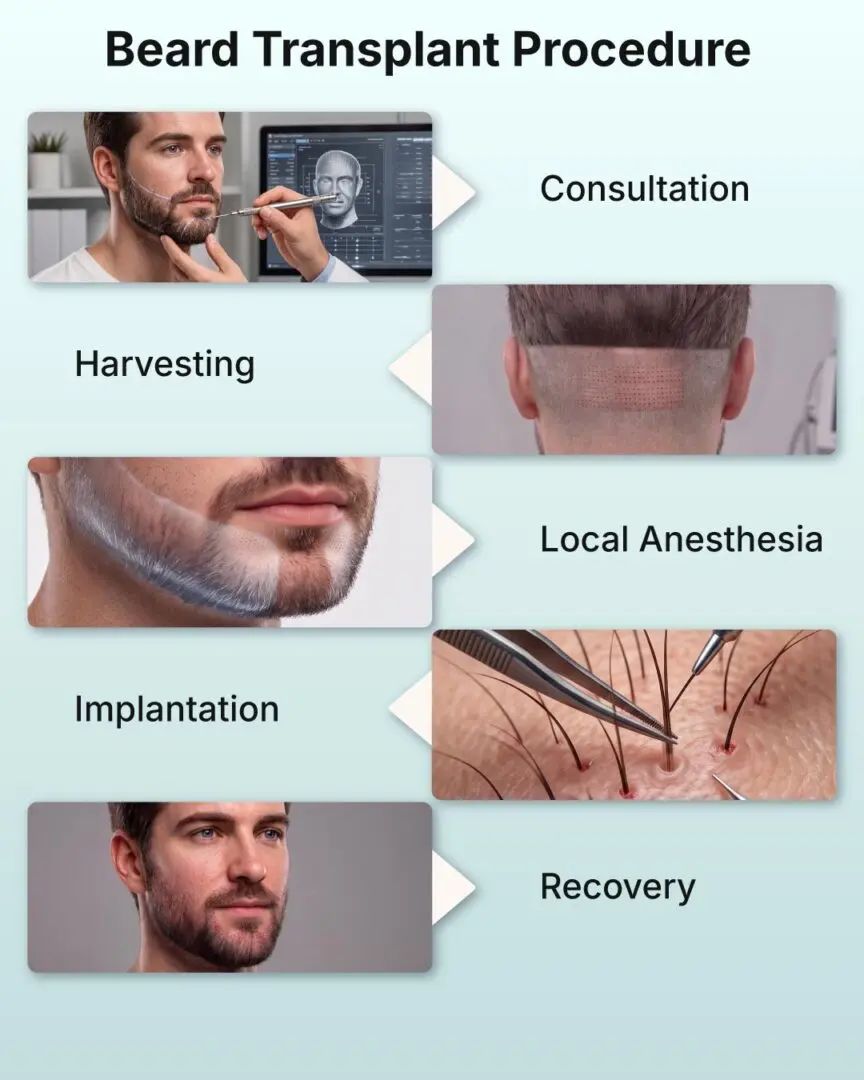
1. Consultation
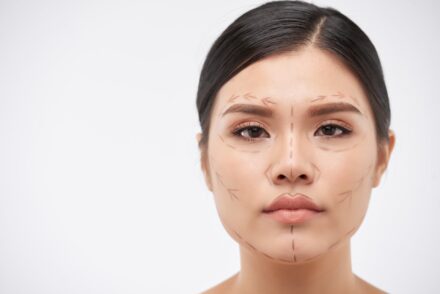
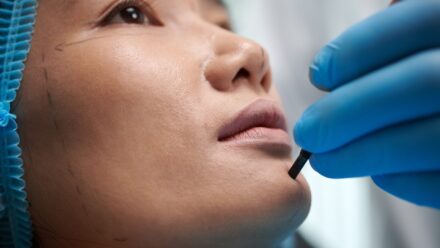
The process begins with a consultation and assessment of the patient’s facial hair pattern. The surgeon evaluates areas with limited growth, existing beard density, facial proportions, and the patient’s goals, often using digital mapping to visualise the planned design.
This stage also covers planning the desired beard shape and treatment areas, whether that involves the cheeks, jawline, chin, sideburns, moustache, or a combination, along with discussing realistic expectations and confirming the patient is a suitable candidate for the procedure. A natural-looking result depends not only on density but also on how the beard design complements the patient’s facial features, so the direction, angle, and distribution of the transplanted hairs are planned to follow the natural pattern of facial hair growth.
2. Harvesting
Once the treatment plan is finalised, the surgeon evaluates the donor area, commonly the back and sides of the scalp, to confirm there is enough suitable hair available. Factors such as hair thickness, texture, colour, and donor density all influence this stage.
The required follicles are then carefully extracted. If the procedure is performed using Follicular Unit Extraction (FUE), individual follicular units are removed one by one from the donor area rather than taking a strip of tissue. The extracted grafts are then prepared for transplantation.
3. Local Anesthesia
Before implantation begins, local anesthesia is applied to numb the treatment area, allowing the grafts to be placed with minimal discomfort. Because the procedure is performed under local rather than general anesthesia, patients remain awake and alert throughout, and typically don’t require an overnight hospital stay.
4. Implantation
After extraction, the grafts are carefully prepared and organised before implantation. The surgeon then creates recipient sites in the planned areas of the beard and places the grafts according to the agreed design.
This stage requires careful attention to the direction and angle of each graft. Facial hair naturally grows in different directions across areas such as the cheeks, jawline, moustache, and chin, so graft placement plays an important role in achieving a natural-looking result.
5. Recovery
Once the procedure is complete, the patient receives instructions on how to care for both the donor and recipient areas. These may include guidance on washing, protecting the transplanted grafts, physical activity, shaving, and follow-up care.
The recovery process can vary between patients, and it is important to follow the specific instructions provided by the medical team. The transplanted hairs also go through a growth cycle, meaning the final appearance of the beard develops gradually, typically over several months, rather than immediately after the procedure.
Beard Transplant Turkey: How Many Grafts Do You Need?
There’s no single graft number that applies to every patient. The right count depends on several factors specific to the individual:
- Existing beard density: areas with some fine or patchy growth need fewer grafts than completely bare skin
- Desired density: a subtle, natural fill requires less than a thick, high-density beard
- Size of the treatment area: a moustache or goatee needs far fewer grafts than a full beard covering the cheeks, jawline, and chin
- Cheeks vs. moustache vs. chin: each zone has different hair direction, density expectations, and surface area, so graft requirements differ significantly between them
- Desired beard shape: a defined jawline or connected style requires more grafts than a simple moustache-and-chin design
- Donor hair availability: the scalp’s donor supply sets a ceiling on how many grafts can realistically be extracted without compromising future donor use
Because of this, graft numbers are only meaningful once a surgeon has assessed the patient’s face and donor area directly. That said, published clinical data gives a useful sense of the ranges different beard zones typically require:
| Treatment area | Approximate graft requirement |
| Moustache | 300–500 grafts |
| Goatee/chin | 300–700 grafts |
| Cheeks (per side) | 350–900 grafts |
| Full beard | 1,500–2,500+ grafts |
A few important notes on these figures:
- Cheek beard and sideburn figures are typically calculated per side rather than as a combined total, so a full-cheek plan often means adding both sides together.
- A moustache-and-goatee combination is commonly planned as a single package, often totalling around 1,000–1,100 grafts, rather than being priced as two separate zones.
These ranges are a general guide, not a quote for any individual case. The exact number is only confirmed after a consultation and facial assessment (see previous section), where the surgeon evaluates the patient’s donor density and treatment goals directly.
Beard Transplant Cost Turkey: How Much Does a Beard Transplant Cost?
One of the most common questions patients ask is: How much is a beard transplant in Turkey? The answer depends on the individual treatment plan, as there is no single price that applies to every patient.
The total cost can vary depending on how extensive the procedure is and what services are included in the treatment package. For example, restoring a small patch of missing facial hair may involve a different level of treatment from creating a fuller beard or increasing density across several areas.
Several factors can influence the final beard transplant cost in Turkey, including:
- The number of grafts required
- The technique used
- The complexity of the treatment plan
- The surgeon performing the procedure
- The clinic or medical facility
- Anaesthesia and medication
- Postoperative care and follow-up
- Accommodation and airport or clinic transfers
- The recommended length of stay
For international patients, it is also important to look beyond the procedure price alone. Some clinics offer treatment packages that combine medical care with services such as accommodation, transfers, medication, and follow-up support. Others may quote the surgical procedure separately, with additional costs for travel-related services.
For this reason, comparing beard transplant prices without understanding what is included can be misleading. A lower initial quote does not necessarily represent the total cost of the treatment journey.
The most accurate way to determine the cost of a beard transplant is through an individual consultation. After assessing the treatment area, donor hair availability, and the patient’s goals, the medical team can provide a more personalised treatment plan and cost estimate.
What Can Affect the Total Cost of a Beard Transplant in Turkey?
| Cost component | Usually included? | What can affect the cost? |
| Beard transplant procedure | Depends on the clinic | Treatment area, graft requirements, technique |
| Surgeon fee | Depends on the package | Experience and involvement in the procedure |
| Medication | Depends on the package | Prescribed postoperative treatment |
| Accommodation | Depends on the package | Hotel standard and number of nights |
| Airport transfers | Depends on the package | Treatment package and transfer arrangements |
| Follow-up care | Depends on the clinic | Type and duration of postoperative support |
| Flights | Usually separate | Departure location and travel dates |
| Personal expenses | Separate | Individual spending and travel needs |
Before booking, patients should ask for a clear breakdown of what the quoted price includes and whether there are any additional costs they should expect during their stay.
Turkey Beard Transplant: Why Is It So Affordable?
Patients researching a beard transplant in Turkey often notice that treatment costs can be lower than in countries such as the UK, the US, and some Western European countries. This difference is influenced by several economic and structural factors rather than a single reason.
Lower Operating and Labour Costs
Healthcare providers in Turkey may operate with lower costs for staffing, facilities, administration, and other day-to-day services compared with providers in higher-cost healthcare markets. These differences can influence the overall cost of private medical procedures, including beard transplantation.
A Competitive Private Healthcare Market
Turkey has a large private healthcare sector, particularly in major cities such as Istanbul. Competition between clinics and healthcare providers can influence how treatments are priced and how services are structured for international patients.
A higher volume of procedures may also allow some providers to develop more efficient systems for consultation, treatment coordination, and patient support.
Medical Tourism Infrastructure
Turkey has an established medical tourism industry, with many providers offering services designed specifically for international patients. Depending on the clinic and treatment package, these services may include accommodation, airport transfers, clinic transportation, patient coordination, and postoperative support.
Combining medical and travel-related services into a single package can also make the overall treatment process easier to organise and the expected costs easier to understand.
Currency and Economic Differences
Currency exchange rates and differences in local economic conditions can also affect how treatment costs compare for international patients. For visitors from countries with stronger currencies, the difference in purchasing power may make private healthcare services in Turkey more financially accessible.
Affordable Does Not Mean Choosing the Cheapest Option
A lower treatment cost should not be the only factor when choosing where to have a beard transplant. The qualifications and experience of the surgeon, the quality of the consultation, the facility where the procedure is performed, and the standard of postoperative care can all be important considerations.
Patients should also compare what is included in each quote. A lower advertised price may exclude services such as medication, accommodation, transfers, or follow-up care. For this reason, comparing the full treatment package can provide a clearer picture of the overall cost.
Beard Transplant in Turkey: What Results Can You Expect?
Beard transplant results develop gradually, so it is important to have realistic expectations about the recovery and growth process. While transplanted hairs are visible immediately after the procedure, this is not the final result. The follicles need time to settle, enter their natural growth cycle, and gradually produce new hair.
A typical beard transplant results timeline may include:
- Initial shedding: Many transplanted hairs may fall out within the first few weeks. This is a normal part of the recovery process and does not necessarily mean the follicles have failed.
- Gradual new growth: New hairs typically begin to emerge after several months. Early growth may appear fine, uneven, or patchy at first.
- Increasing density: As more follicles enter the active growth phase, the beard gradually becomes fuller and denser.
- Natural-looking development: The final appearance depends on factors such as graft placement, hair angle, density distribution, and how well the beard design complements the patient’s facial features.
- Final results take time: Significant improvement is often visible over several months, while the overall result continues to mature over a longer period. Individual growth timelines can vary.
Beard Transplant Turkey Before and After: Estherian Patient Results
Below are examples of beard transplant results from Estherian patients. Individual outcomes vary depending on factors such as the patient’s existing beard density, donor hair characteristics, treatment goals, and the number of grafts used.
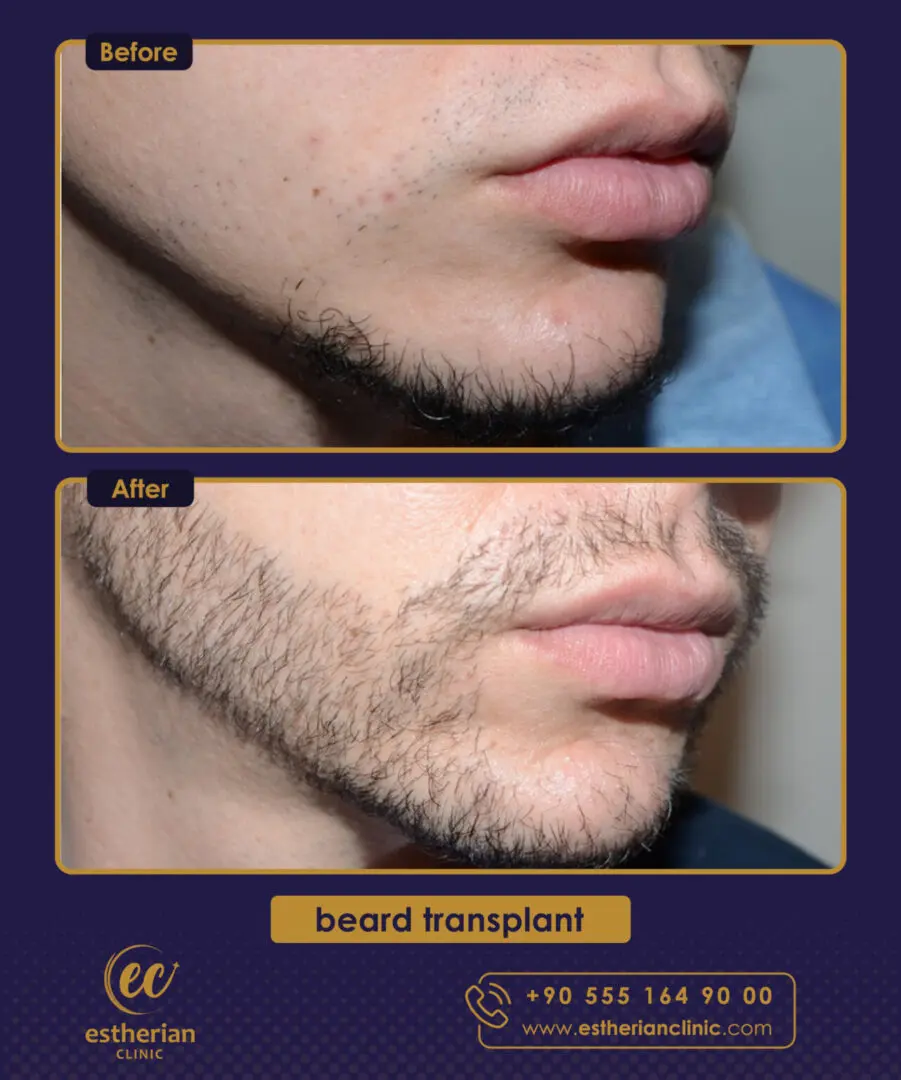
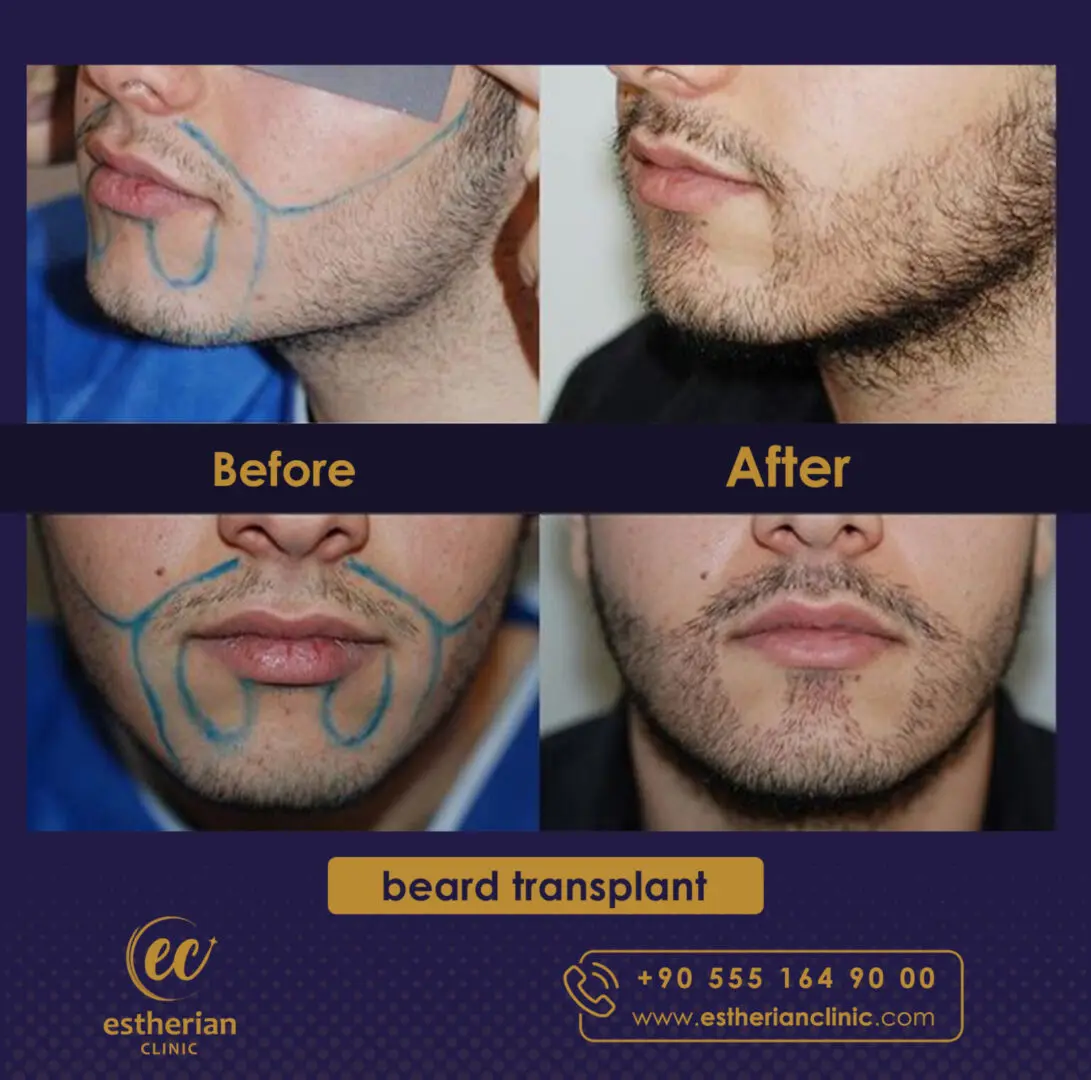
Because every patient heals and grows hair differently, before-and-after photographs should be viewed as examples of individual results rather than a guarantee of a specific outcome.
Beard Transplant Turkey: Recovery and Aftercare
Recovery after a beard transplant is gradual and requires careful aftercare, particularly during the first days when the newly transplanted grafts are still settling. Mild redness, swelling, tenderness, and small scabs around the transplanted follicles are common during the early healing period.
Your surgeon will provide specific postoperative instructions based on your procedure. Following these instructions carefully can help protect the grafts and support a smooth recovery.
The First Few Days
During the first few days after a beard transplant, the recipient and donor areas may appear red and slightly swollen. Small blood spots or scabs can form around the implanted follicles as the skin begins to heal.
To protect the newly transplanted grafts during this period, patients are generally advised to:
- Avoid touching, rubbing, or scratching the transplanted area.
- Sleep with the head elevated to help reduce facial swelling.
- Avoid strenuous exercise and activities that cause excessive sweating.
- Avoid pressure on the recipient area while sleeping.
- Take prescribed medications as instructed by the surgeon.
Some temporary numbness or discomfort may also occur after the procedure. These symptoms usually improve as healing progresses.
Swelling and Redness
Mild swelling and redness can occur during the first few days after a beard transplant. Swelling may affect areas around the cheeks, jawline, or other parts of the face, depending on the treatment area.
In most cases, these effects are temporary and gradually improve during the first week. Keeping the head elevated while resting may help reduce swelling. However, patients should contact their medical team if swelling, pain, redness, or other symptoms become progressively worse.
Protecting the Transplanted Grafts
The first days of recovery are particularly important for graft protection. Newly implanted follicles should not be exposed to unnecessary friction, pressure, or manipulation.
Patients should avoid:
- Scratching or picking at scabs.
- Rubbing the face with towels.
- Applying unapproved skincare products to the treated area.
- Exposing the area to excessive heat or sweating.
- Wearing anything that may place pressure on the transplanted area.
Small scabs usually form around the grafts as part of the normal healing process. They should be allowed to loosen naturally rather than being manually removed.
Washing Instructions
Washing instructions can vary depending on the technique used and the surgeon’s postoperative protocol. Patients may be advised to wait before washing the recipient area and then begin gentle cleansing according to their surgeon’s instructions.
When washing is permitted, it is generally important to:
- Use the cleanser or products recommended by the medical team.
- Avoid direct, high-pressure water on the transplanted area.
- Avoid rubbing, scrubbing, or exfoliating the skin.
- Pat the area dry gently rather than rubbing it with a towel.
Patients should also avoid harsh skincare products, exfoliants, and other potentially irritating products until the treated skin has adequately healed.
Returning to Normal Activities
Many patients can return to light daily activities relatively soon after the procedure, although the exact timeline varies depending on individual healing and the nature of the activity.
Desk-based work may be possible within the first several days, while activities that increase sweating or blood flow to the face may require a longer break. Patients should follow their surgeon’s recommendations regarding work, travel, swimming, sun exposure, and other activities.
When Can You Shave After a Beard Transplant?
Shaving should be avoided until the transplanted area has healed sufficiently and the surgeon confirms that grooming can be safely resumed. Shaving too early may irritate the healing skin or place unnecessary friction on the recipient area.
Once cleared by the medical team, patients should return to shaving gradually and use gentle techniques to avoid irritation. The exact timing can vary between patients and clinics, so individual postoperative instructions should take priority over general timelines.
Exercise Restrictions
Strenuous exercise is usually restricted during the early recovery period because excessive sweating, increased blood pressure, and physical contact may irritate the treated area.
Patients may need to temporarily avoid:
- Intense workouts
- Heavy lifting
- Contact sports
- Saunas and steam rooms
- Swimming
Light activity may be resumed earlier, depending on the surgeon’s advice. A gradual return to exercise is generally recommended once the treated areas have healed sufficiently.
Follow-Up Appointments
Follow-up appointments allow the medical team to monitor healing, assess the donor and recipient areas, and answer any questions that may arise during recovery.
Depending on the clinic’s protocol, follow-up may include in-person appointments, remote consultations, or requests for progress photographs. Patients should attend scheduled follow-ups and contact their medical team if they notice unusual symptoms or have concerns about their recovery.
Quick Recovery Timeline
| After beard transplant | What to expect |
| First 1–3 days | Mild redness, swelling, tenderness, and small blood spots or scabs may occur. The transplanted area should be protected from touching, rubbing, pressure, and excessive sweating. |
| First week | Scabs gradually form and healing continues. Swelling and redness typically begin to improve. Patients should continue following gentle washing and graft-protection instructions. |
| Weeks 2–4 | The skin continues to recover, and transplanted hairs may begin to shed as part of the normal hair growth cycle. Many patients can gradually resume more normal activities based on their surgeon’s advice. |
| First few months | The transplanted follicles enter their natural growth cycle. New growth may begin gradually, with density increasing over time. |
| Long-term | The beard continues to mature and become denser over several months. Final results typically take time and vary depending on individual healing and hair growth characteristics. |
Recovery timelines can vary between patients. For this reason, the postoperative instructions provided by the surgeon should always take priority over general recovery guidelines. If you experience worsening pain, significant swelling, spreading redness, unusual discharge, fever, or other concerning symptoms, contact your medical team promptly.
Beard Transplant Turkey: How Long Do You Need to Stay?
The length of your stay in Turkey for a beard transplant can vary depending on your treatment plan and your surgeon’s recommendations. Factors such as the number of grafts, the technique used, your early recovery, and whether an in-person follow-up is required can all affect how long you should plan to stay.
For many international patients, the procedure itself can be completed within a single day. However, it is generally helpful to allow enough time for your consultation, the procedure, initial recovery, and any post-operative checks recommended by your medical team.
The exact timeline should always be confirmed with your clinic before making travel arrangements.
Before You Travel
| Question | What Patients Should Know |
| How many days in Turkey? | The recommended length of stay depends on your specific procedure, treatment plan, and surgeon’s recommendations. |
| How many hotel nights? | This may depend on your procedure schedule, early recovery needs, and whether post-operative appointments are included in your treatment plan. |
| Can I travel alone? | Many patients travel independently, but this depends on the individual patient, the extent of the procedure, and the medical team’s recommendations. |
| Do I need an accompanying person? | An accompanying person may not always be necessary, but some patients prefer to travel with someone for additional comfort and support during the early recovery period. |
| When can I fly home? | Your medical team should confirm when it is appropriate for you to travel after the procedure based on your individual recovery and post-operative requirements. |
| When is follow-up? | Follow-up schedules vary between clinics. Your team should explain whether an in-person check is needed before you leave Turkey and how longer-term follow-up will be managed after you return home. |
Planning your trip around your treatment schedule rather than booking the shortest possible stay can make the experience more comfortable. Before travelling, make sure you understand your consultation time, procedure date, accommodation arrangements, post-operative instructions, and follow-up plan.
Your clinic should provide clear guidance based on your individual case, especially if you are travelling internationally or have a long journey home.
Beard Transplant Turkey: What Should You Know Before Traveling?
Planning ahead can make your beard transplant trip to Turkey smoother and less stressful. Before traveling, make sure you understand not only your procedure schedule but also the practical arrangements surrounding your treatment and early recovery.
Use the following checklist to prepare for your medical trip:
Before You Travel: Practical Checklist
- Passport and travel documents: Check that your passport is valid and confirm whether you need a visa or any additional documents to enter Turkey. Keep copies of important travel and medical documents accessible throughout your trip.
- Airport transportation: Confirm how you will travel from the airport to your hotel. If your clinic provides airport transfers, make sure you know where and when the driver will meet you.
- Hotel location: Consider staying somewhere convenient for your treatment schedule, particularly if you have appointments before or after the procedure.
- Distance from the clinic: Check how long it takes to travel between your accommodation and the clinic. Choosing accommodation within a reasonable distance can make post-operative appointments and transportation easier.
- Medications: Bring any prescribed medications you regularly take and inform your medical team about them before your procedure. Ask your clinic whether you need to stop or adjust any medication before surgery.
- Comfortable clothing: Pack loose, comfortable clothing that is easy to put on and remove without rubbing against the treated area. Button-up or zip-up tops can be particularly practical after the procedure.
- Payment arrangements: Confirm what is included in your treatment package, how payment should be made, and whether there are any additional costs you should plan for before traveling.
- Emergency contact information: Keep the contact details of your clinic, medical team, accommodation, and a trusted emergency contact readily available.
- Postoperative transportation: Plan how you will return to your hotel after the procedure. Confirm whether transportation is provided by the clinic or whether you need to arrange it yourself.
- Travel insurance considerations: Review your travel insurance policy before your trip and understand what medical situations, travel disruptions, or unexpected changes to your itinerary may be covered.
Beard Transplant Turkey: How to Choose the Right Surgeon and Clinic
Finding the best beard transplant in Turkey is not simply about comparing prices or choosing the clinic with the most online reviews. A beard transplant is a highly technique-sensitive procedure, and the quality of the result depends on several factors, including the surgeon’s experience, treatment planning, graft handling, and the way each follicle is implanted.
When comparing beard transplant clinics in Turkey, it is important to look beyond promotional claims and evaluate who will perform your procedure, where it will take place, and what level of care you can expect before and after surgery.
According to American Hair Loss Association, these are the things you need to consider:
Check the Surgeon’s Qualifications and Experience
Start by researching the surgeon who will be responsible for your treatment. Look at their medical qualifications, professional background, and experience with hair restoration procedures.
However, general experience with hair transplantation alone does not necessarily mean extensive experience with beard transplantation. Creating a natural-looking beard requires careful planning of facial proportions, density, direction, and graft angles. The surgeon should understand how beard hair naturally grows in different areas, including the cheeks, jawline, chin, and mustache.
During your consultation, you can also ask how frequently the surgeon performs beard transplant procedures and whether they have experience with cases similar to yours.
Ask About Experience With Beard Transplant Procedures
The number of years a surgeon has worked in the field can be useful, but it should not be the only factor you consider. Ask about their specific experience with beard restoration and the types of cases they regularly treat.
For example, restoring a small patch of facial hair is very different from creating a full beard from scratch. Similarly, procedures involving scars, uneven beard growth, or reconstruction may require a different level of planning.
A surgeon should be able to explain how they determine the number of grafts needed and how they design the beard based on your facial features and existing hair growth.
Review Before-and-After Results Carefully
Before-and-after photos can help you understand the type of results a surgeon has achieved, but they should be reviewed carefully.
Look for:
- Patients with facial features and beard patterns similar to yours
- Results showing natural density rather than excessive graft packing
- Natural-looking beard direction and angles
- Clear and consistent photography conditions
- Results from different stages of recovery
- Multiple patient cases rather than only a few selected examples
It is also worth asking whether the images represent the surgeon’s own work and how long after the procedure the photographs were taken. Since transplanted beard hair needs time to grow and mature, very early results do not represent the final outcome.
Pay Attention to the Quality of the Consultation
A beard transplant consultation should be more than a discussion about prices and package options. You should have an opportunity to discuss your goals, medical history, existing facial hair, donor area, and expectations with a qualified medical professional.
The consultation should help determine whether you are a suitable candidate and what type of result can realistically be achieved with your available donor hair.
You should also feel comfortable asking questions about the procedure, recovery, possible limitations, and risks. If the discussion focuses mainly on booking quickly or choosing a package without properly evaluating your individual case, it may be worth seeking another opinion.
Confirm Who Will Perform Each Stage of the Procedure
Hair and beard transplant procedures often involve a medical team rather than a single person. However, patients should clearly understand who will perform each part of the procedure.
Ask questions such as:
- Who will extract the grafts?
- Who will design the beard and recipient area?
- Who will create the implantation channels?
- Who will implant the grafts?
- Will the surgeon personally supervise the procedure?
- Will the medical team performing the surgery be the same team discussed during the consultation?
Knowing who is responsible for each stage can help you make a more informed decision and avoid misunderstandings on the day of surgery.
Check Where the Procedure Will Take Place
The quality and standards of the medical facility are also important. Ask where the procedure will be performed and whether the facility is appropriately equipped for surgical hair restoration procedures.
A reputable provider should be transparent about the treatment location and the medical professionals involved in your care.
You can also ask about pre-operative assessments, infection-control procedures, emergency protocols, and the type of medical support available if an unexpected issue occurs.
Understand the Follow-Up and Aftercare Process
Your experience does not end when the procedure is finished. Proper aftercare is an important part of the beard transplant process, particularly during the first days and weeks after surgery.
Before choosing a clinic, ask about:
- Post-operative instructions
- The first wash and wound-care process
- Follow-up appointments during your stay
- Medications provided after surgery
- Support after you return home
- Who to contact if you have questions or concerns
For international patients, remote follow-up can be particularly important. Make sure you understand how the clinic will communicate with you once you have returned to your home country.
Look for Transparent Pricing
Price is an important consideration, but the cheapest beard transplant package is not always the best value.
Ask for a clear explanation of what the quoted price includes and whether additional charges may apply. Depending on the clinic, a package may include medical consultations, blood tests, the procedure itself, medications, accommodation, airport transfers, and follow-up care.
You should also ask what is not included.
A transparent provider should be able to explain the complete cost structure before you make a decision. Be cautious of prices that appear unusually low without a clear explanation of what level of medical care, surgeon involvement, or aftercare is included.
Take Your Time Before Making a Decision
Choosing a beard transplant clinic should not feel like a rushed purchase. Take time to compare providers, review real patient results, ask detailed questions, and understand the proposed treatment plan.
The right clinic for one patient may not necessarily be the right choice for another. Instead of searching only for a provider described as the “best beard transplant clinic in Turkey,” focus on finding a surgeon and medical team whose experience, approach, communication, and treatment plan match your individual needs.
Meet Your Beard Transplant Surgeon
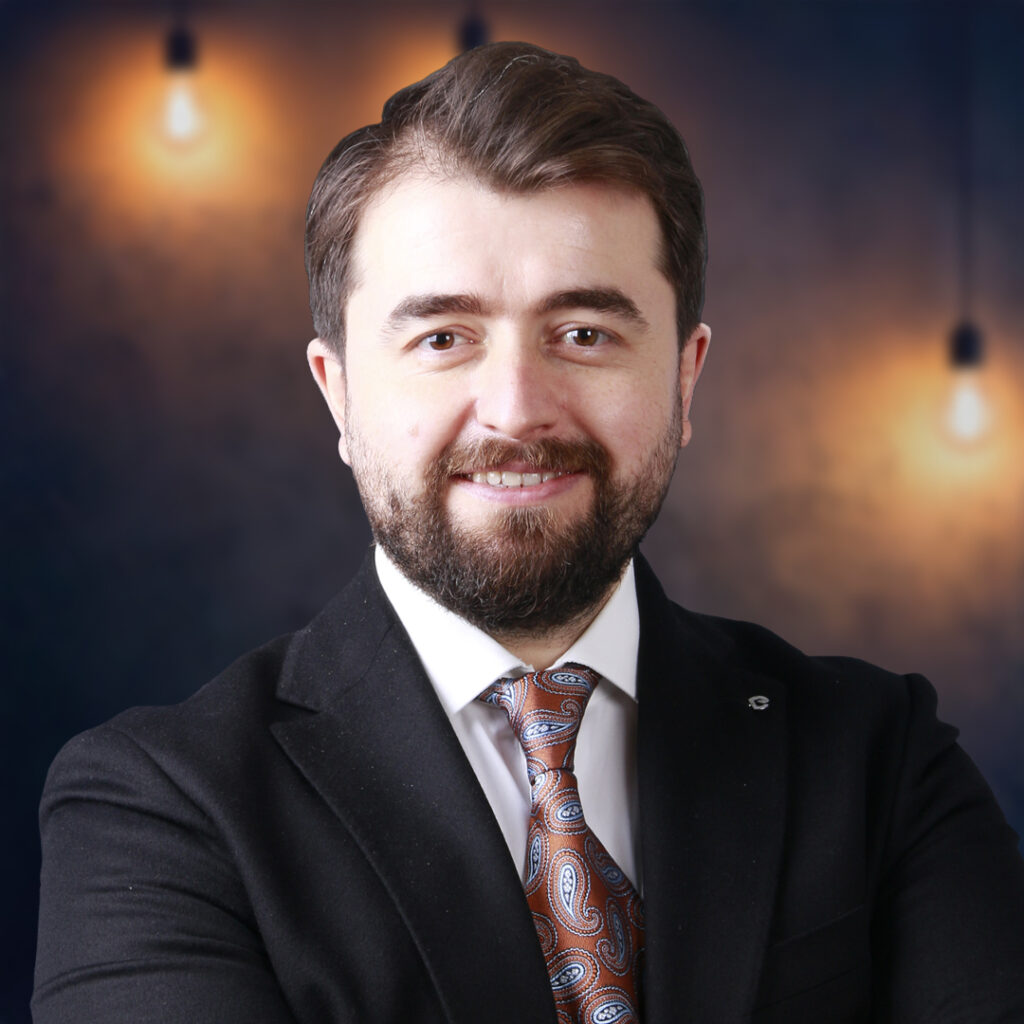
Dr. Cengizhan Ekizceli
Board-Certified Plastic, Aesthetic & Reconstructive Surgeon | Founder, Estherian Clinic
Dr. Cengizhan Ekizceli is the founder of Estherian Clinic, established in 2020. He graduated from Istanbul University Cerrahpaşa Faculty of Medicine in 2011 and completed his specialty training in Plastic, Aesthetic and Reconstructive Surgery at Istanbul University between 2012 and 2017. At Estherian, hair restoration treatment plans — including beard transplants — are developed by the clinic’s medical team working alongside Dr. Ekizceli, with each plan based on the patient’s individual facial hair pattern, donor supply, and aesthetic goals. This collaborative approach ensures every treatment plan is tailored to the specific density, shape, and coverage the patient wants to achieve.
Beard Transplant Turkey: What Is Included in the Treatment Package?
When comparing beard transplant prices in Turkey, it is important to understand the difference between the procedure price and the total treatment cost.
The procedure price generally refers to the medical cost of the beard transplant itself. A treatment package, on the other hand, may combine the procedure with additional services designed for international patients, such as accommodation, transportation, and post-operative care.
Because packages vary between clinics, patients should always ask for a clear written breakdown before making a decision. A lower advertised price does not necessarily mean the total cost of the trip will be lower if important services are charged separately.
Depending on the provider, a beard transplant package may include:
- Initial consultation and treatment planning
- The beard transplant procedure
- Surgeon’s professional involvement
- Clinic or hospital facilities
- Pre-operative assessments, such as blood tests when required
- Medications provided during the initial recovery period
- Hotel accommodation for an agreed number of nights
- Airport transfers
- Transportation between the hotel and clinic
- Follow-up appointments during your stay
- Post-operative instructions and aftercare support
However, not every clinic includes the same services. Some costs may be separate, including:
- International flights
- Food and personal expenses
- Additional hotel nights
- Extra transportation outside the agreed package
- Additional procedures or treatments
- Non-essential medications
- Revision procedures, if required
- Complication-related medical costs, where applicable
- Travel or medical insurance
Before booking, ask the clinic to explain exactly what is included in the quoted price and what could result in additional charges. It is also helpful to confirm the number of hotel nights, the type of transfers provided, and whether follow-up care is available after you return home.
Beard Transplant Turkey: Risks and Possible Complications
Like any surgical procedure, a beard transplant involves certain risks and potential side effects. Although serious complications are uncommon when the procedure is performed by an experienced medical team, patients should understand the possible effects before deciding to undergo surgery.
Common Side Effects After a Beard Transplant
Some temporary side effects can occur during the early recovery period, including:
- Mild swelling and redness in the treated area
- Temporary numbness or skin tightness
- Small scabs around the implanted follicles
- Bruising or facial swelling
- Temporary discomfort in the donor or recipient area
These effects usually improve as the skin heals. Following the clinic’s postoperative instructions carefully can help support a smooth recovery.
Possible Complications
Less common complications may include infection, excessive swelling, visible scarring, or irregularities in the transplanted area. The direction and angle of the transplanted hairs can also affect the final appearance. If follicles are not placed carefully, some hairs may grow in an unnatural direction.
In certain areas, particularly around the moustache, goatee, and chin, minor skin irregularities or a textured appearance may occasionally develop. Proper surgical technique and careful graft placement can help reduce these risks.
Shock Loss and Temporary Shedding
It is also important to understand that transplanted hairs may shed during the weeks following the procedure. This is generally a normal part of the healing process and does not necessarily mean that the transplant has failed.
New growth typically begins gradually over the following months, with the appearance continuing to improve as the transplanted follicles establish their growth cycle.
How to Reduce the Risks
Choosing an experienced surgeon and following proper aftercare instructions are important steps in reducing potential complications. Patients should also make sure they understand who will perform the different stages of the procedure and what postoperative support will be available after they return home.
A proper consultation should include a discussion of your medical history, suitability for surgery, expected recovery, possible risks, and realistic expectations for the final result.
Beard Transplant Turkey: Is It Safe?
People often ask: “Is it safe to get a beard transplant in Turkey?”. A beard transplant in Turkey is not inherently safe or unsafe simply because of the country where it is performed. As with any surgical procedure, safety depends more on factors such as the surgeon’s qualifications and experience, the facility where the procedure takes place, appropriate patient selection, sterile technique, and the quality of postoperative care.
For international patients, these factors deserve particular attention because follow-up care may become more complicated after returning home. Before booking a beard transplant, it is important to understand who will perform the procedure, where it will take place, and what support will be available during recovery.
Choose a Qualified and Experienced Surgeon
A beard transplant requires careful planning and precise graft placement. The direction, angle, and distribution of transplanted follicles all influence how natural the final beard will look.
Before choosing a provider, check the surgeon’s qualifications and experience with facial hair transplantation specifically. It is also worth asking how involved the surgeon will be during the procedure and who will perform key stages such as graft extraction, recipient site creation, and implantation.
Make Sure the Procedure Takes Place in an Appropriate Medical Facility
The clinic or hospital is another important part of the safety equation. The procedure should take place in an appropriate medical setting that follows hygiene and infection-control standards.
Before booking, ask where the beard transplant will be performed and whether the facility is properly licensed and authorized. You can also check whether the provider is listed among healthcare institutions authorized by the Turkish Ministry of Health.
Have a Proper Medical Consultation
A consultation should involve more than discussing beard styles, graft numbers, or package prices. The medical team should review your health history, medications, allergies, and any factors that could affect the procedure or recovery.
The consultation should also assess whether you are a suitable candidate for a beard transplant and discuss realistic expectations, the recommended technique, possible risks, and the expected recovery process.
For international patients, an online consultation can be useful during the planning stage, but important medical decisions should be based on an appropriate clinical assessment.
Ask About Sterile Technique and Postoperative Monitoring
Because beard transplantation involves extracting and implanting hair follicles through multiple small incisions, proper hygiene and sterile technique are important for reducing the risk of complications such as infection.
Mild redness, swelling, scabbing, and temporary numbness can occur after the procedure. Patients should receive clear postoperative instructions explaining how to care for both the donor and recipient areas, which medications to take if prescribed, and which symptoms require medical attention.
It is also important to ask what type of postoperative monitoring is provided while you are still in Turkey and whether a medical check or follow-up appointment is included before you travel home.
Understand the Complication and Follow-Up Plan
Before travelling, ask the clinic what happens if you experience an unexpected complication during your stay or after returning home. You should understand who to contact, whether remote follow-up is available, and whether additional treatment could involve extra costs.
A clear follow-up and complication plan is particularly important for medical tourists because returning to the clinic may not always be easy once you have left Turkey.
Ultimately, the safety of a beard transplant depends less on the country where the procedure takes place and more on the surgeon, facility, patient selection, surgical standards, and quality of aftercare. Taking the time to evaluate these factors before booking can help you make a more informed decision and reduce avoidable risks.
Beard Transplant Turkey: What Should You Ask Before Booking?
Before booking a beard transplant in Turkey, it is important to ask more than just about the price or available packages. A good consultation should give you a clear understanding of the procedure, the medical team, your expected recovery, and what support will be available after surgery.
Here are some important questions to ask before making your decision:
1. Who Will Perform My Beard Transplant?
Ask who will be responsible for each stage of the procedure. Find out whether the surgeon you consulted with will personally perform the key parts of the transplant and whether any steps will be carried out by other members of the medical team.
2. How Much Experience Do You Have With Beard Transplants?
Experience with general hair transplantation can be valuable, but beard transplantation requires its own level of planning and precision. Ask how frequently the surgeon performs beard transplant procedures and whether they have experience creating results similar to the style and density you are looking for.
3. How Many Grafts Do I Need?
The number of grafts depends on factors such as your existing facial hair, the size of the area being treated, and the desired beard density. Your surgeon should explain the estimated graft count and why that number is appropriate for your individual goals.
4. Where Will the Procedure Take Place?
Ask whether the procedure will be performed in a clinic or hospital and what type of medical facility will be used. You should also confirm that the facility is appropriately authorized and follows the necessary hygiene and safety standards.
5. Which Beard Transplant Technique Will You Use?
Ask which technique is recommended for your procedure and why. The medical team should explain how the follicles will be extracted and implanted, as well as what you can expect in terms of scarring, recovery, and results.
6. What Is Included in the Quoted Price?
Request a clear breakdown of the treatment package before booking. Confirm whether the quoted price includes the consultation, procedure, surgeon’s fee, medications, hotel accommodation, airport transfers, clinic transfers, and follow-up appointments.
It is equally important to ask what is not included, such as flights, meals, additional hotel nights, or any extra treatment that may become necessary.
7. How Many Nights Should I Stay in Turkey?
The recommended length of stay can depend on the procedure schedule, your recovery, and the clinic’s follow-up protocol. Ask how many days and hotel nights are recommended and whether you need to attend a medical check or first follow-up appointment before flying home.
8. What Happens If I Experience a Complication?
No procedure is completely free from risk. Before travelling, ask how the clinic handles unexpected complications during your stay and who will be responsible for any additional treatment if needed.
You should also clarify whether complication-related care could involve additional costs.
9. How Will Follow-Up Work After I Return Home?
For international patients, follow-up care is particularly important. Ask whether the clinic provides remote consultations after you return home, how you can contact the medical team if you have concerns, and what happens if an in-person assessment becomes necessary.
10. Can I See Before-and-After Results From Similar Patients?
Ask to see genuine before-and-after results from patients with starting points similar to yours. Look for cases with comparable facial hair patterns, skin characteristics, and treatment goals.
When reviewing photos, pay attention not only to density but also to the direction, angle, and natural appearance of the transplanted beard.
Asking these questions before booking can help you compare different beard transplant clinics in Turkey more effectively. A reputable provider should be willing to explain the procedure clearly, discuss its limitations and risks, and give you transparent information about the surgeon, treatment package, and follow-up process.
Beard Transplant Turkey: Why Choose Istanbul?
Istanbul is one of the main destinations for international patients considering a beard transplant in Turkey. Its accessibility and well-developed infrastructure for international healthcare make it a practical choice for patients travelling from abroad.
The city is served by two major international airports and has a large concentration of private hospitals and clinics that work with international patients. Many providers offer services designed specifically for medical travellers, such as airport and clinic transfers, hotel arrangements, and assistance throughout the treatment process.
Accommodation and transportation are also widely available, making it relatively easy for patients to plan a short medical stay. Many clinics also provide multilingual coordinators and support staff to help international patients communicate with the medical team and manage appointments.
Why Choose Estherian for a Beard Transplant in Turkey?
After considering the procedure, recovery process, safety factors, and treatment options, patients may also want to compare individual clinics. Estherian offers beard transplant treatment in Istanbul with a process designed to combine medical planning with practical support for international patients.
Surgeon-Led Treatment Planning
Beard transplantation requires careful planning, particularly when determining the shape, density, direction, and angle of the transplanted hair. At Estherian, the treatment process begins with a medical evaluation to assess the patient’s existing facial hair, donor area, and treatment goals.
Patients can also ask about the qualifications and experience of the surgeon involved in their procedure and who will be responsible for different stages of the treatment.
A Structured Treatment Process
The beard transplant process includes consultation, treatment planning, graft extraction, and implantation. Each procedure is planned according to the patient’s individual facial characteristics and desired beard design rather than using a standard approach for every patient.
Patients should also receive information about the recommended technique, estimated graft requirements, expected recovery, and postoperative care before making a decision.
Support for International Patients
Travelling abroad for a medical procedure involves more than arranging the surgery itself. Estherian provides support for international patients throughout different stages of their visit, including assistance with accommodation, transportation, and communication.
Depending on the selected treatment package, services may include hotel accommodation, airport transfers, clinic transfers, and interpretation support. Patients should always confirm the exact inclusions of their individual package before booking.
Before-and-After Results
Before-and-after photographs can help patients understand the type of results a clinic has achieved in previous cases. When evaluating beard transplant results, it is important to look beyond overall density and consider factors such as beard design, graft direction, angle, and how naturally the transplanted hair integrates with the patient’s existing facial hair.
Patients considering treatment at Estherian can review relevant before-and-after cases and discuss whether similar results may be realistic for their individual starting point.
Follow-Up and Postoperative Care
Postoperative care is an important part of the beard transplant process. Patients should receive clear instructions about caring for the donor and recipient areas, medications, washing, shaving, and activities to avoid during the initial recovery period.
For international patients, it is also important to understand how follow-up will continue after returning home. Before booking, ask how the medical team handles postoperative questions, remote follow-up, and any concerns that may arise during recovery.
If you are considering a beard transplant in Turkey, you can arrange a consultation with Estherian to discuss your goals, suitability for treatment, estimated graft requirements, and the details of the treatment and travel process before making a decision.
Free Quality Consult with the Doctor!
Don’t hesitate to ask your question!
How much is a beard transplant in Turkey?
The price varies depending on the number of grafts, technique, surgeon, and treatment package. Always check what is included in the quoted price.
How much does a beard transplant cost in Turkey?
There is no fixed cost. Your final price may depend on the treatment area, graft count, clinic, and whether services such as accommodation and transfers are included.
Is Turkey good for beard transplants?
Turkey is a popular destination for beard transplants due to its experienced providers and international patient services. However, the quality of treatment depends on the individual surgeon and clinic.
Is a beard transplant in Turkey safe?
Safety depends more on the surgeon, facility, patient assessment, sterile technique, and aftercare than on the country itself.
How many grafts are needed for a beard transplant?
It depends on your existing facial hair, treatment area, and desired density. A consultation is needed to estimate the appropriate graft number.
How long should I stay in Turkey after a beard transplant?
The recommended stay depends on your procedure and follow-up schedule. Your medical team should advise you on when it is appropriate to travel home.
How long does it take to see beard transplant results?
New growth may begin to appear after several months, with results continuing to improve over time. Final results can take up to a year.
Can I travel alone for a beard transplant in Turkey?
Many patients travel alone, but this depends on the individual procedure and the surgeon’s recommendations. You should confirm your postoperative support arrangements before travelling.